Buyer guide
Hurricane and Flood Season: Range, Water Depth and Flood-Damaged Cars
How far Chrysler, Dodge, Jeep and Ram vehicles can go on a tank, what published water-fording figures do and do not mean, and how to spot a flood-damaged used vehicle.
By the South CDJR editors · Updated November 4, 2026 · 5 min read
Storm season in the South raises three vehicle questions at three different moments. Before a hurricane: can this thing get my family out of the zone without running dry? During flooding: how deep is too deep? After: how do I avoid buying a waterlogged vehicle that has been cleaned up and put on a used lot in the following months?
Hurricane season officially runs through the end of November, so this is still a live subject. We take the questions in that order.
Before the storm: the range you actually have
Evacuation traffic does not behave like a highway cruise. Lanes fill, speeds drop and the engine idles for long stretches, all of which burn fuel faster than a steady drive. Fuel stops also get scarce when many people leave at once. So the useful figure is not the sticker range but how much margin the tank gives you.
The table below multiplies each vehicle's published tank size by its best EPA highway rating. That is our own arithmetic, not a manufacturer claim, and it is a ceiling. Towing, a loaded cabin, air conditioning and stop-and-go traffic all push the real number below it.
| Vehicle | Fuel tank | EPA highway mpg (best listed) | Tank times highway mpg (approx.) |
|---|---|---|---|
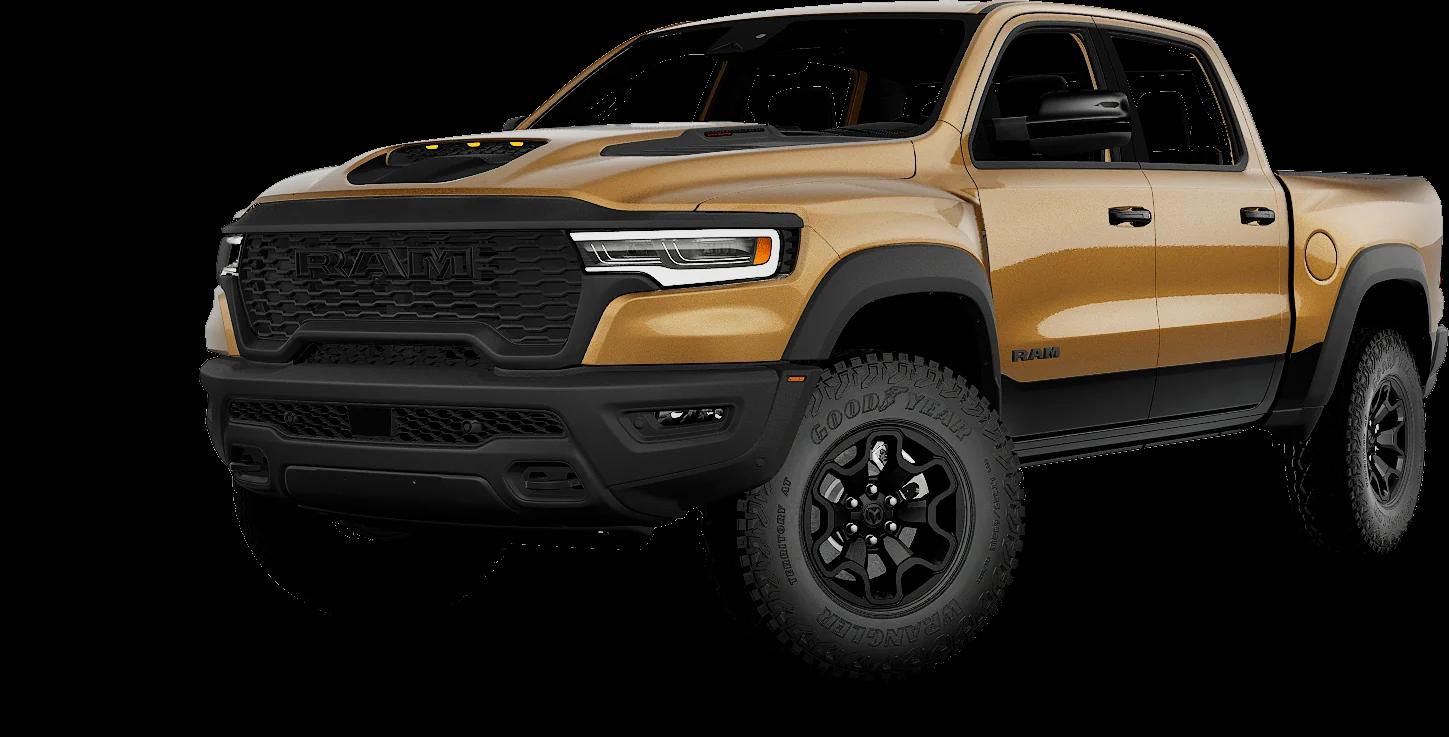
| Ram 1500 (V6, 4x2) | 26 gal (33 gal optional) | 25 | 650 mi |
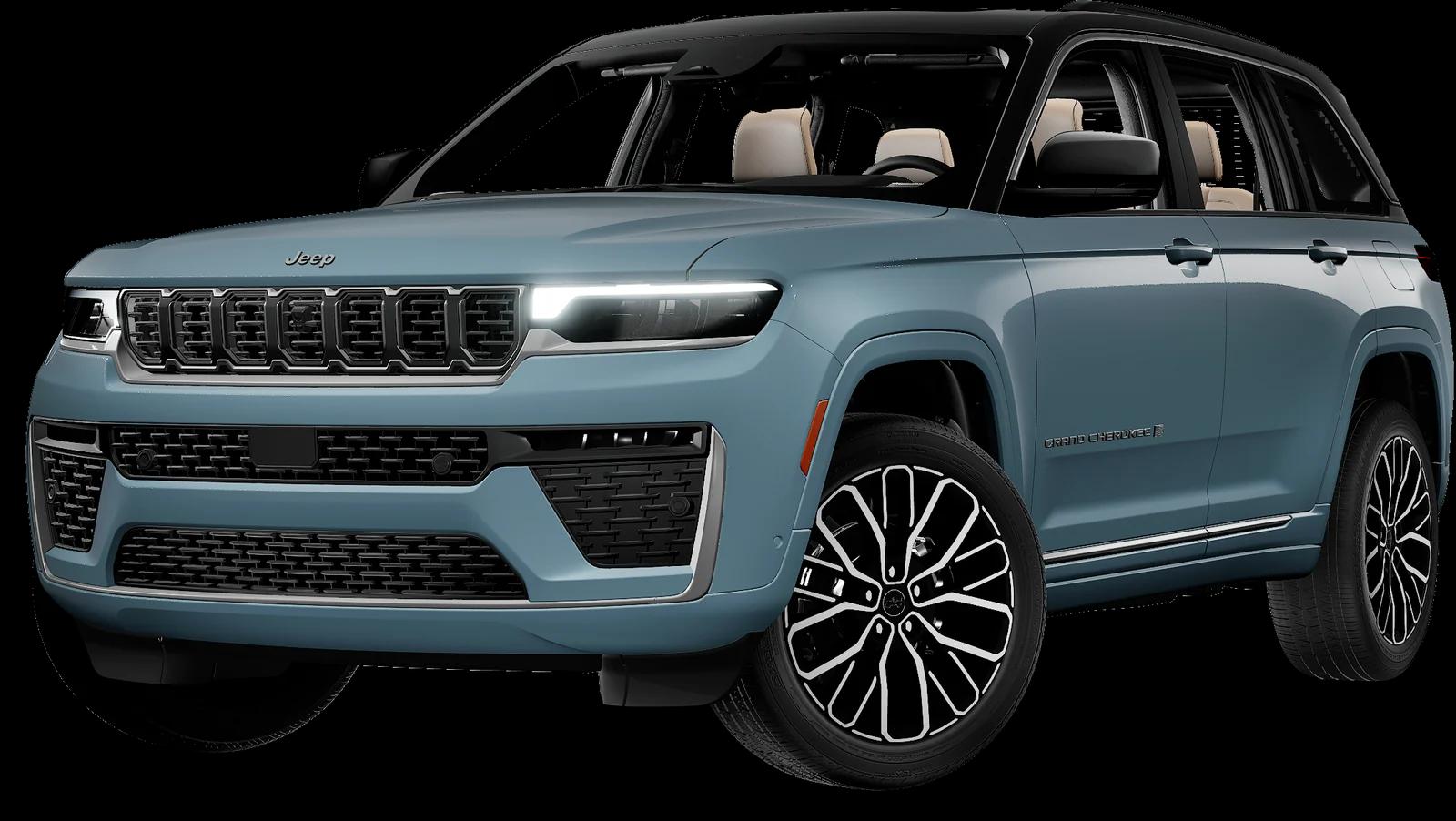
| Jeep Grand Cherokee | 23 gal | 26 | 600 mi |
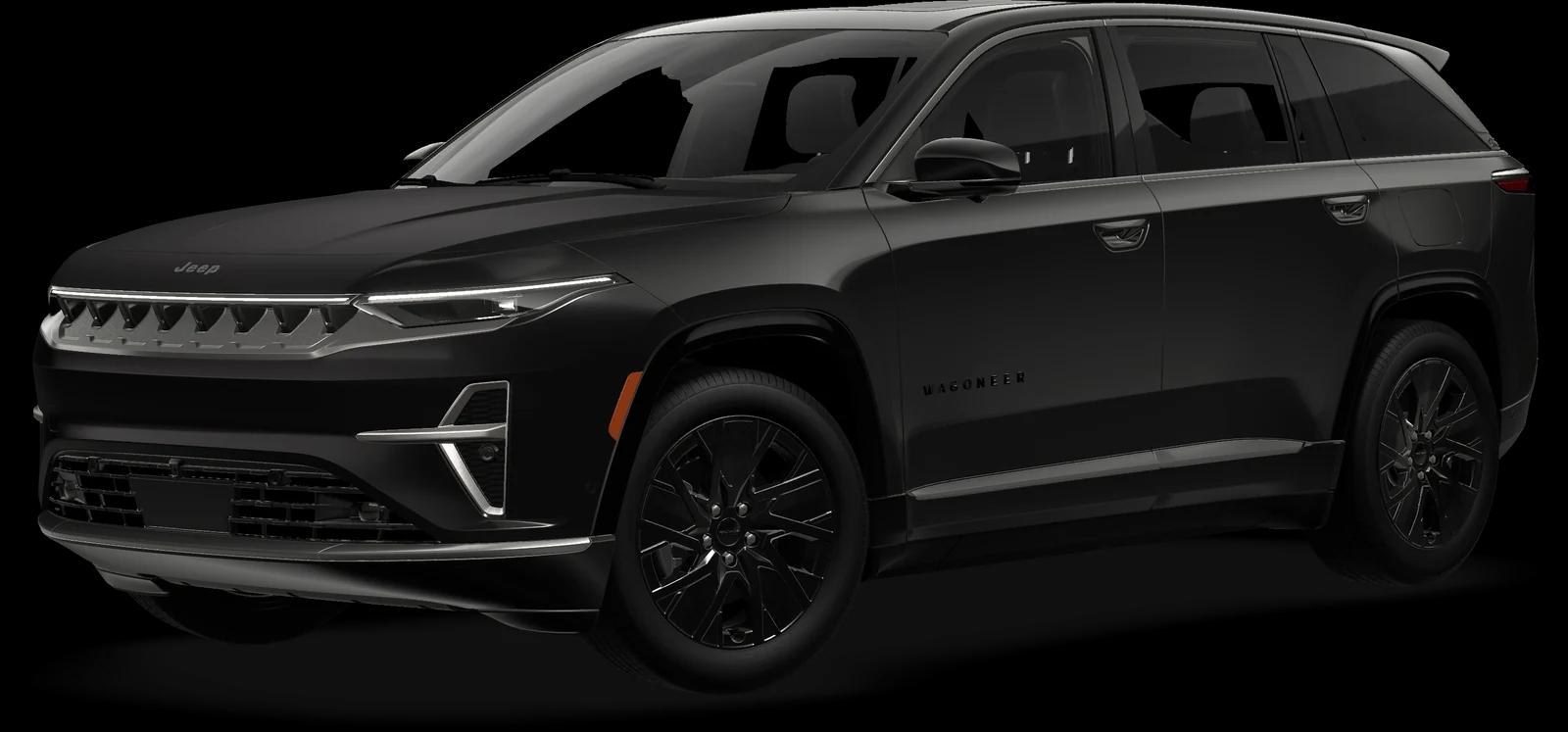
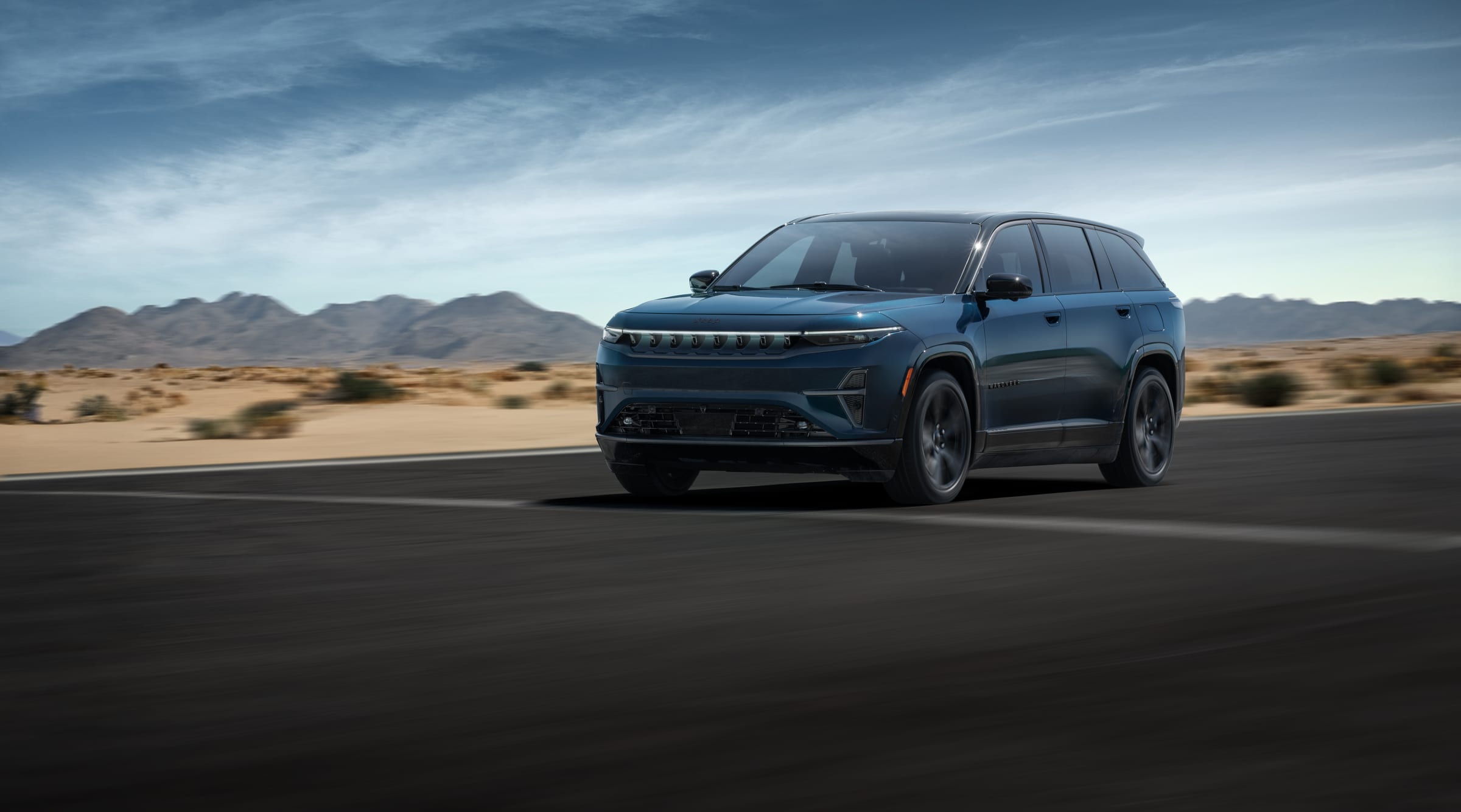
| Jeep Grand Wagoneer | 26.5 gal | 22 | 580 mi |
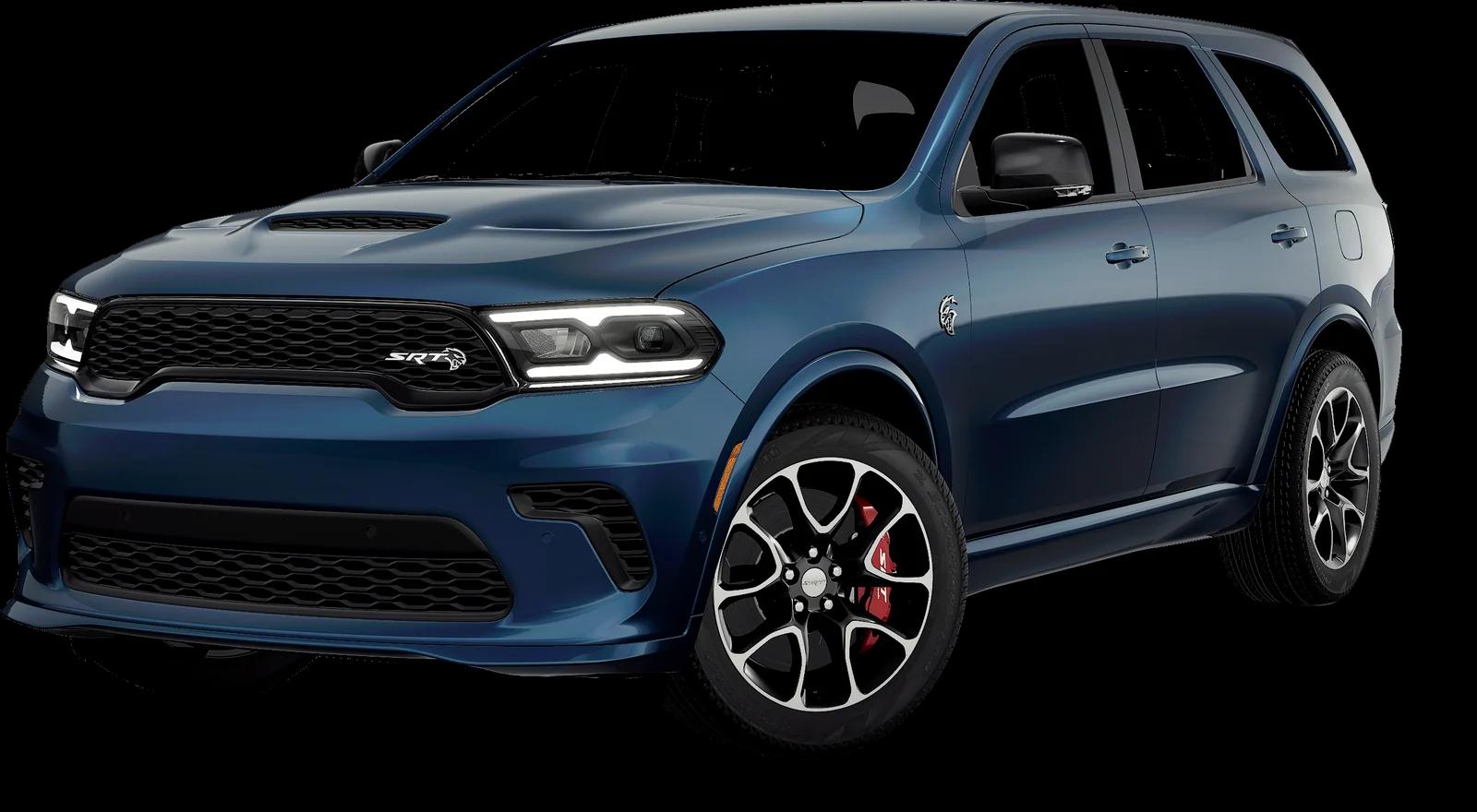
| Dodge Durango | 24.6 gal | 22 | 540 mi |
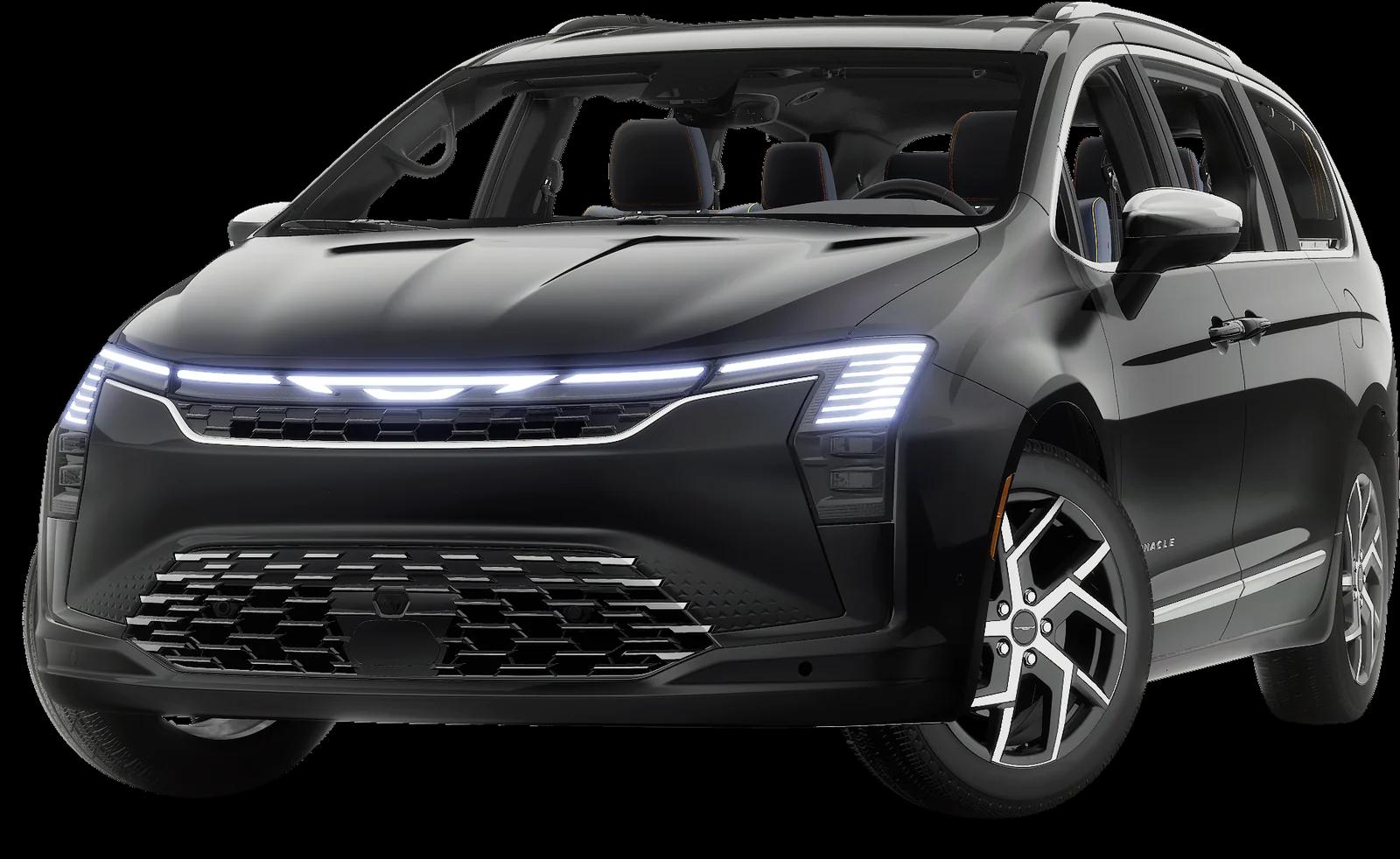
| Chrysler Pacifica | 19 gal | 28 | 530 mi |
| Jeep Gladiator | 22 gal | 22 | 480 mi |
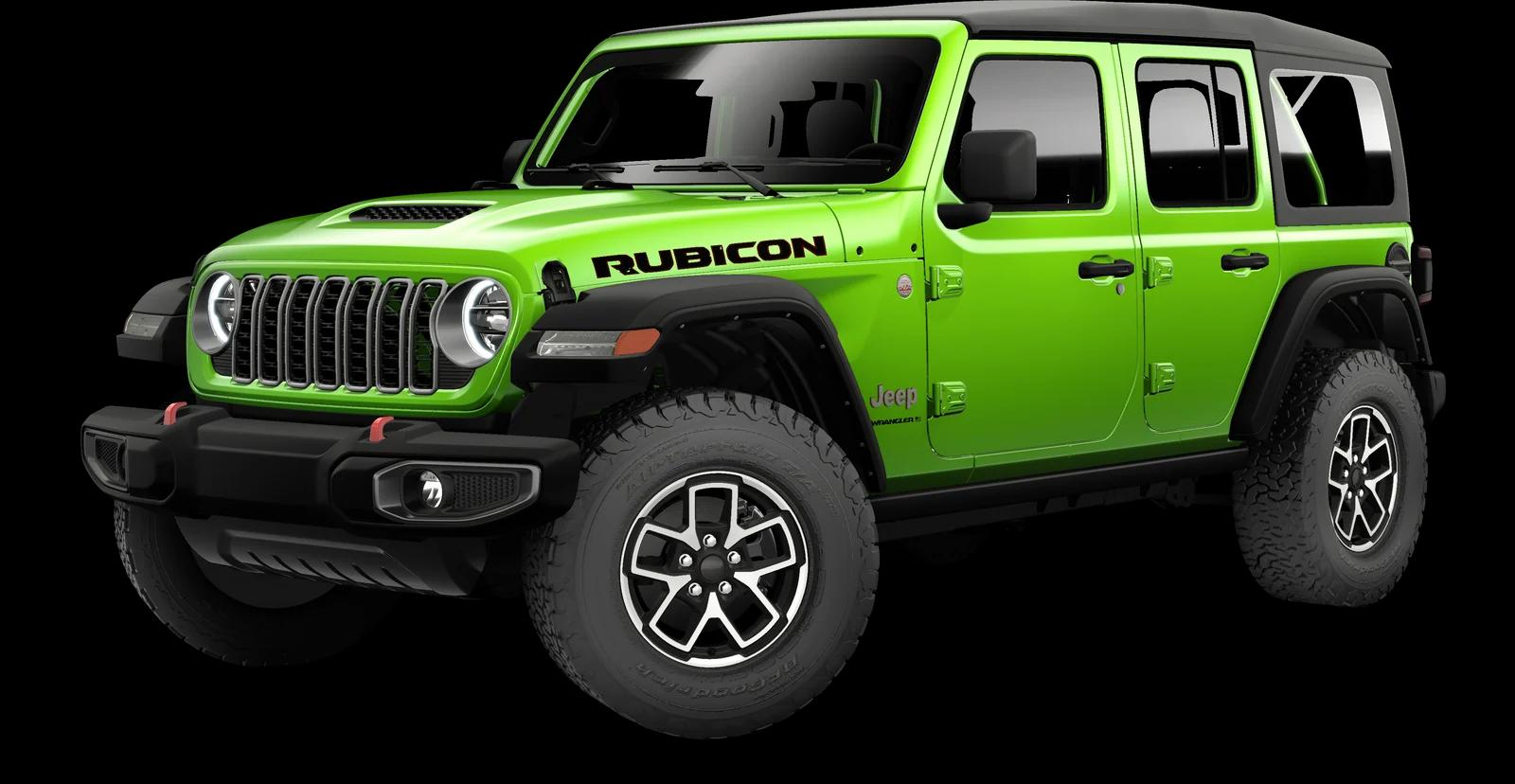
| Jeep Wrangler 4-door | 21.5 gal | 22 | 470 mi |
| Jeep Compass | 13.5 gal | 29 | 390 mi |
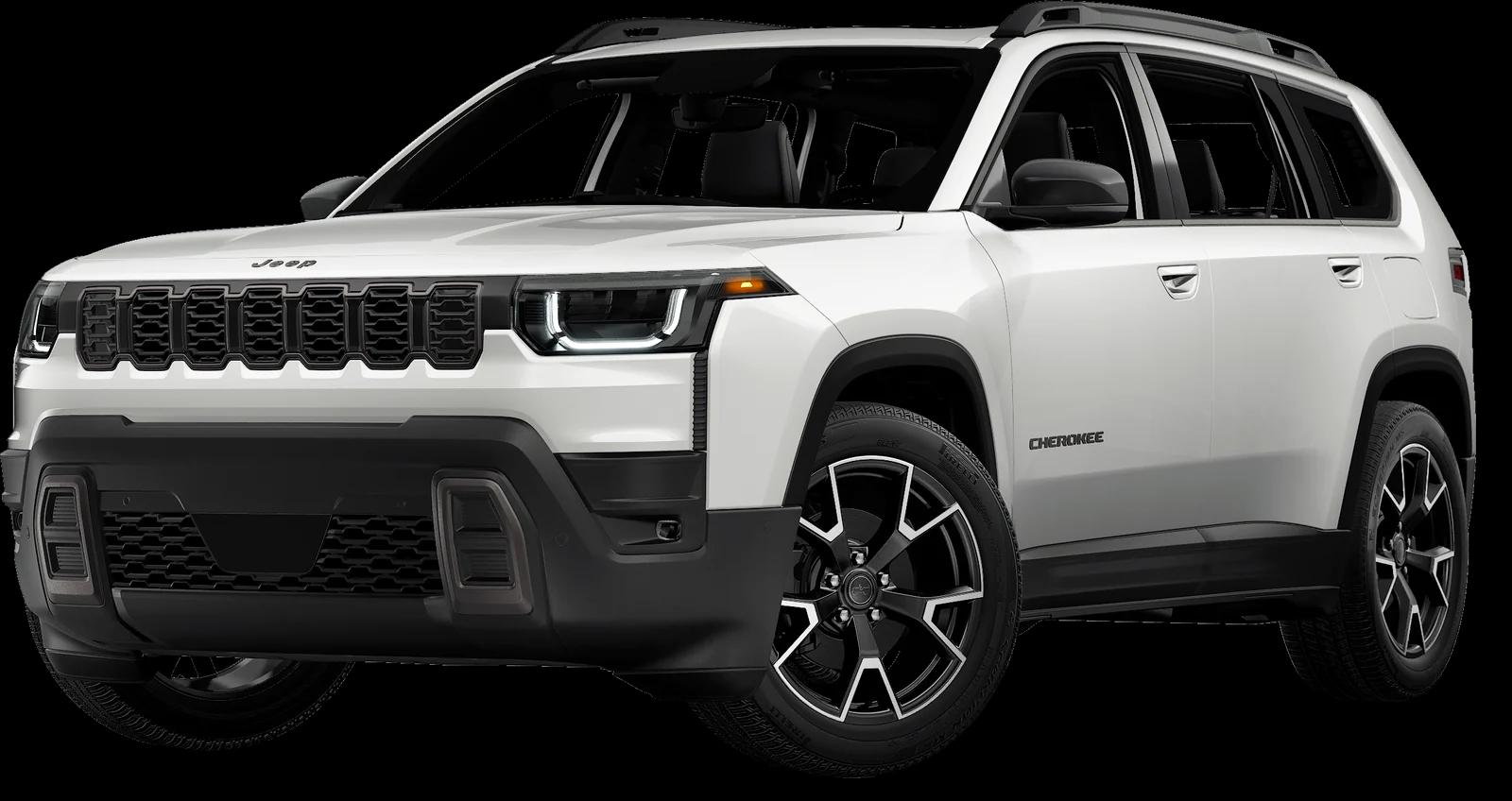
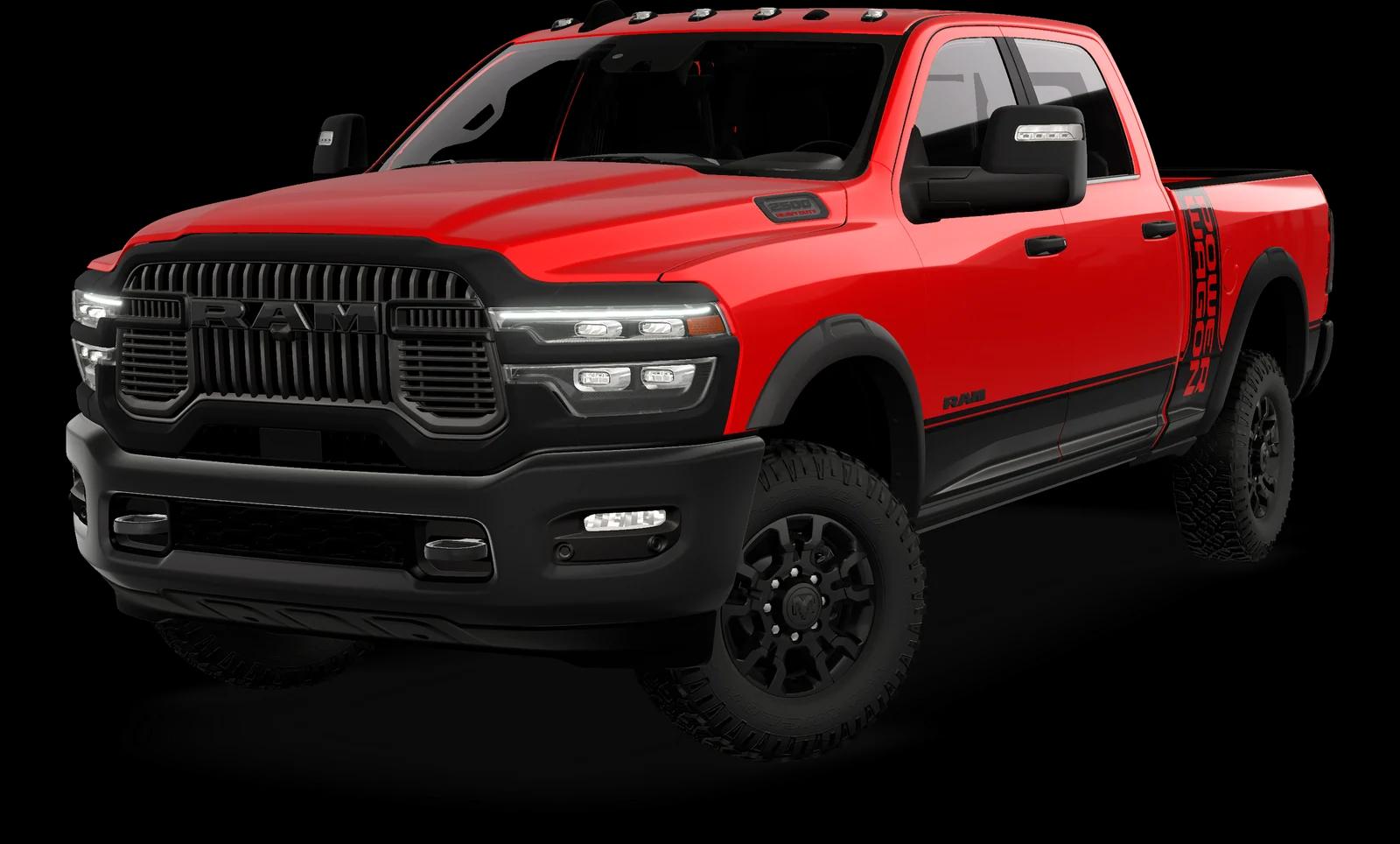
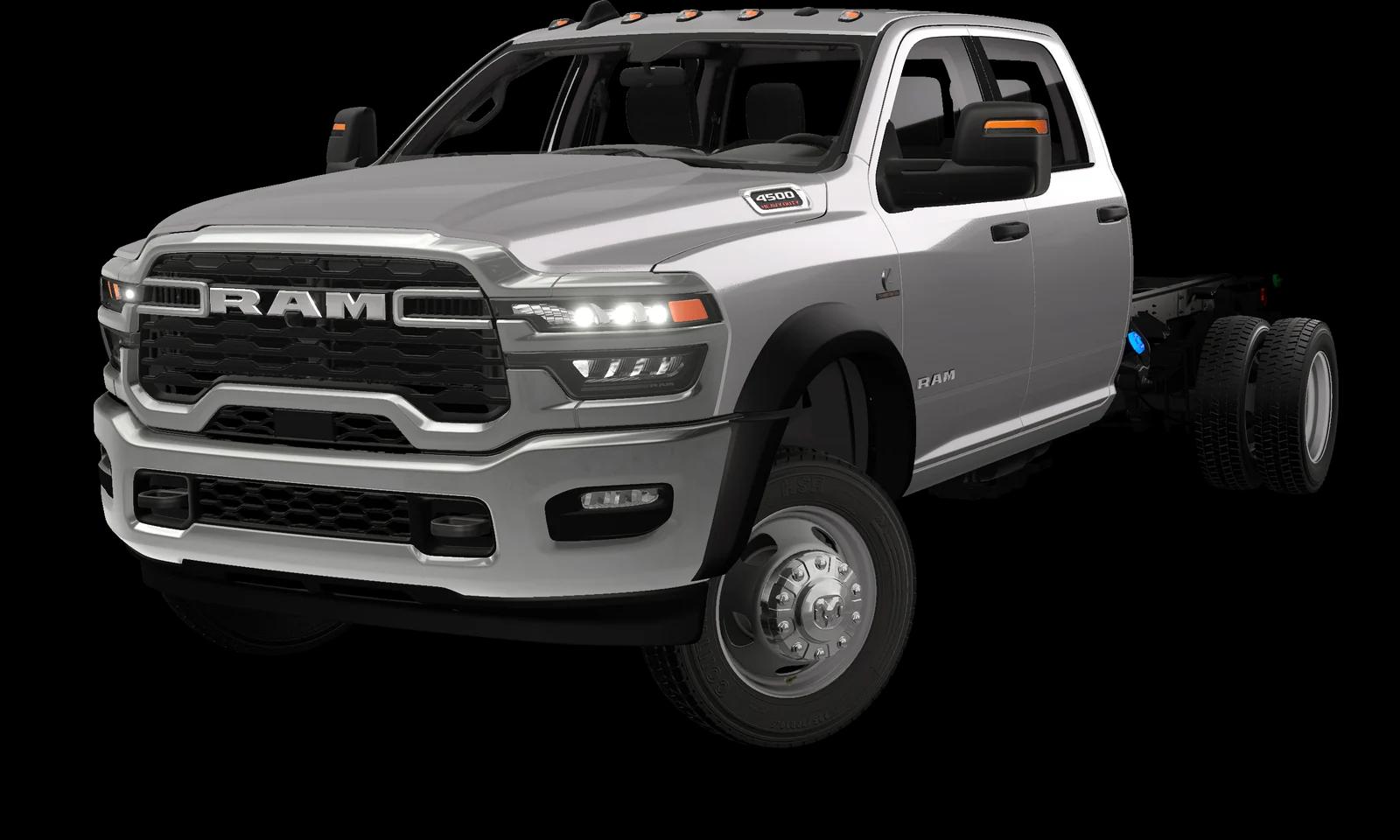
Two vehicles come with manufacturer range claims. Jeep estimates more than 500 miles per tank for the Jeep Cherokee hybrid, which has a 13.7-gallon tank. For the heavy-duty Rams, there is no EPA label, but Ram says the diesel Power Wagon, with its 31-gallon tank, gets about 600 miles of range. The Ram Chassis Cab can carry up to 74 gallons across two tanks, which matters if the truck is part of a business that has to keep running after the storm.
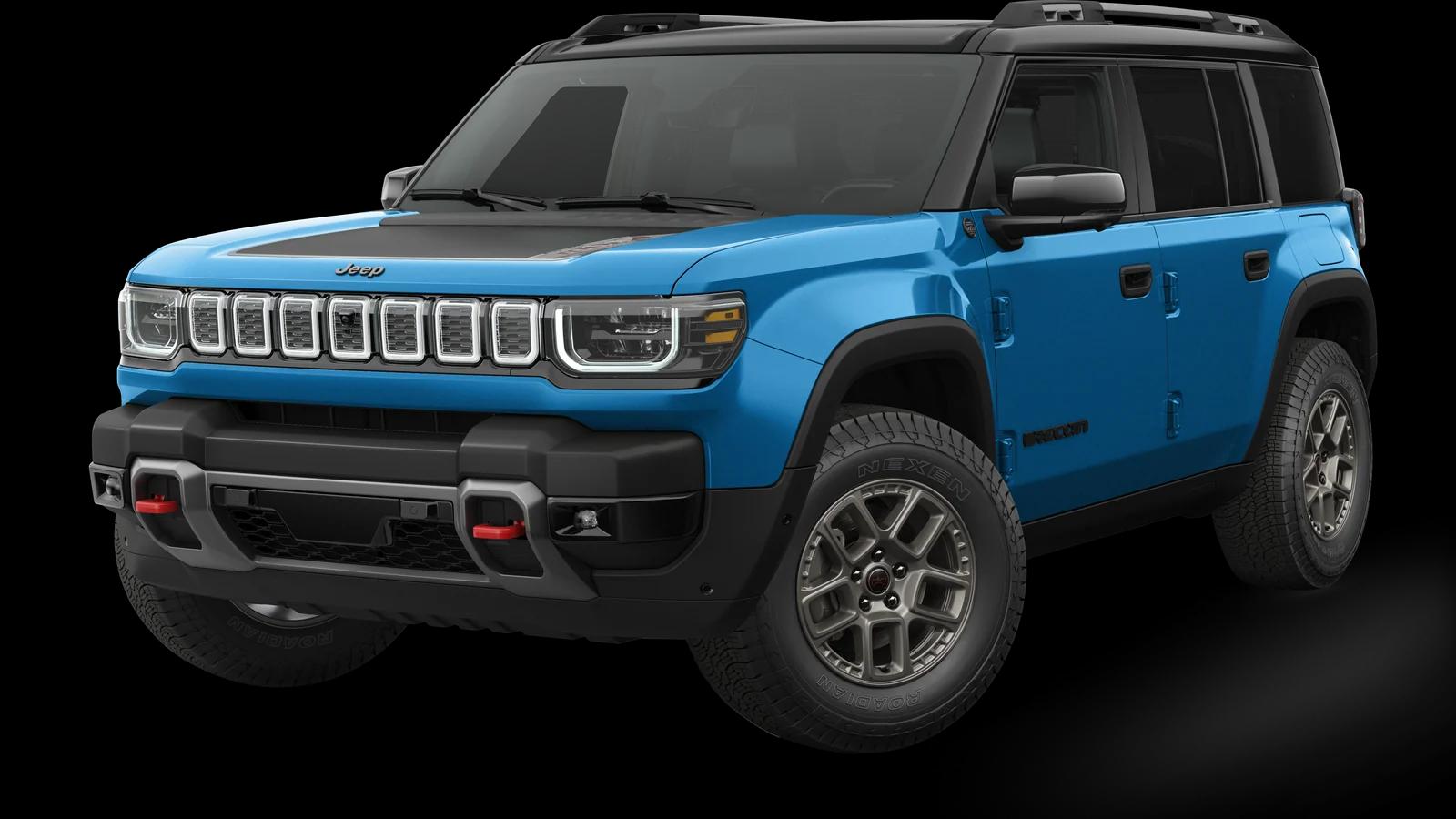
Electric vehicles need a different plan. The Jeep Wagoneer S is rated at up to 294 miles, the Charger Daytona at up to 267 and the Jeep Recon at up to 222. An evacuation route with stranded traffic and busy fast chargers can turn those into uncertain numbers, so start any evacuation fully charged, and be cautious about relying on an electric vehicle for a long, last-minute run. Our guide to electric and plug-in options on long Southern drives goes into detail.
The practical rule for any vehicle is the same: keep the tank well above empty during the season, not just when a storm is forecast.
During the storm: what a fording number means
Only some models publish a water-fording depth. In our data, three do.
| Vehicle | Published fording depth | Notes |
|---|---|---|
| Jeep Wrangler | 30 in (Sport, Sahara) to 34 in (Rubicon with LT315 tires) | Depth depends on trim and tires |
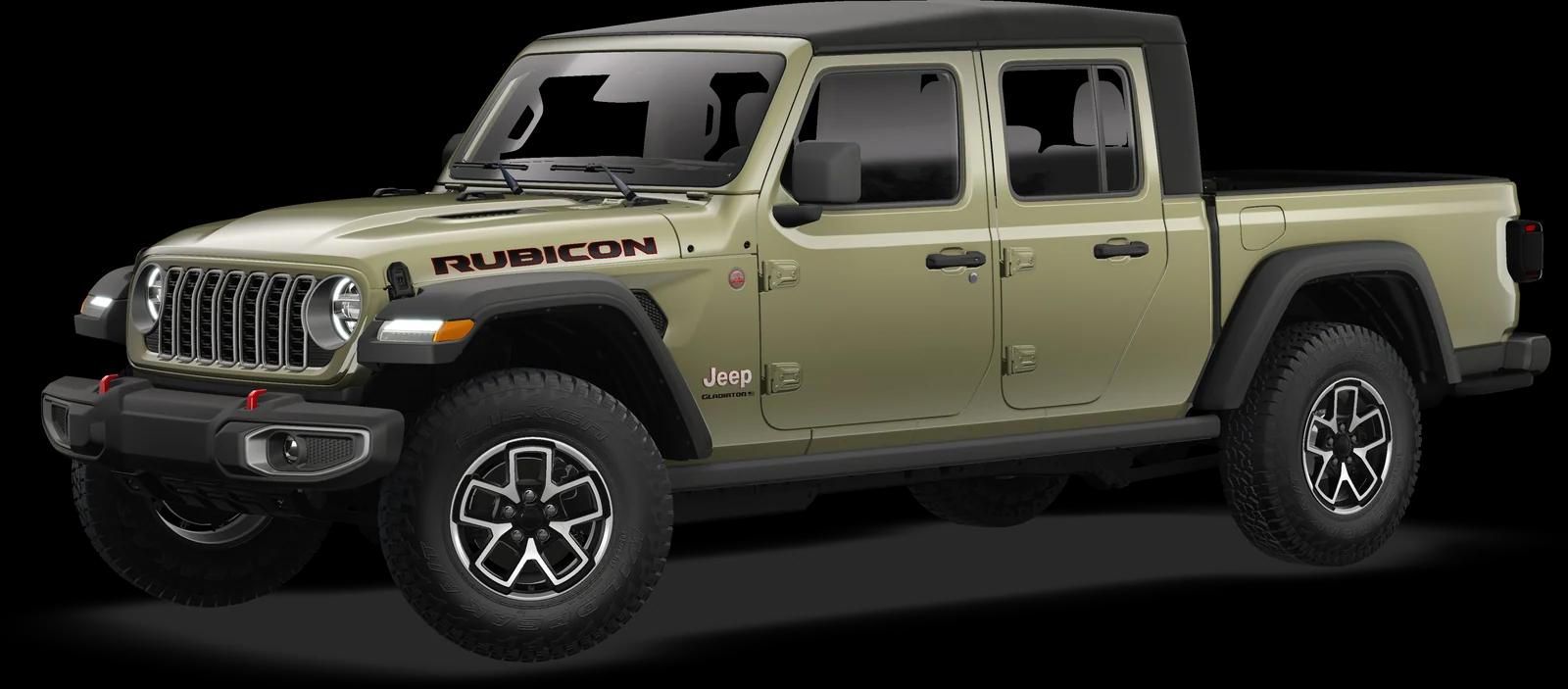
| Jeep Gladiator | Up to 31.5 in | Jeep's latest published figure, from its 2026 model-year release |
| Jeep Cherokee | 24 in | Listed as "when properly equipped" |
We did not find a published fording depth for the Ram trucks, the Durango, the Grand Cherokee or the minivans, so we are not going to guess one.
What the number is not: permission. A fording rating describes what the vehicle was engineered and tested to handle, under specific conditions. Real floodwater has a different character. It can hide washed-out pavement, open drains and debris. It can be moving, and a small depth of fast water is enough to push a vehicle sideways. It can also carry contaminants and, on low coastal roads, saltwater. The long-standing safety guidance is simple: never drive through moving floodwater, and if you cannot see the road surface, turn around.
The tall rating is still a useful tiebreaker between two vehicles when you are buying, but it should never be the reason you decide to cross. A vehicle that ingests water can suffer severe engine damage, and one that stalls in the middle of a flooded road becomes a rescue problem for someone else.
After the storm: spotting a flood-damaged used vehicle
Storm-damaged vehicles do not always stay in the area. Some are repaired and sold elsewhere, and some are retitled in a way that hides their history. Shopping in Houston or Raleigh, take these steps.
- Run a history report. Look for flood, salvage or total-loss branding, and for a title that moved between states in a short time. A clean report does not prove a clean car, since not every loss is reported.
- Smell and look first. A musty odor, strong air freshener or fresh shampoo smell is a warning. Pull back the carpet and floor mats and look for silt, sand, dried mud or a waterline.
- Check the places water hides. The spare-tire well, the underside of the seats, the glove box, door pockets and the lower edges of the dashboard collect residue that cleaning misses.
- Look for rust where it should not be. Seat-rail bolts, pedal brackets, hood latches and bare screws inside the cabin should not be corroded on a young vehicle.
- Test every electrical system. Run the windows, locks, seat motors, radio, wipers, climate controls, lights and warning lamps, twice. Flood damage often shows up as intermittent faults.
- Inspect the lights and vents. Condensation inside headlamps or taillamps, or a damp line in the air-conditioning ducts, can indicate water exposure.
- Pay an independent mechanic. A pre-purchase inspection is cheap compared with one failed control module.
On an electric or hybrid vehicle, add the high-voltage system to the list of things to have checked, and walk away if the seller cannot explain the vehicle's history.
Which vehicle for which risk
If your main concern is a long evacuation by road, favor the vehicle with the biggest margin, which in this data means the Ram 1500 with its V6, the Grand Cherokee or the Grand Wagoneer. If your concern is a rural area with washed-out low-water crossings, a Wrangler or Gladiator has a published fording number and generous ground clearance, but still not permission to cross. If you want to keep it simple and efficient, the Cherokee hybrid makes the strongest fuel-economy claim among the smaller vehicles.
Bottom line
Fuel margin is the dependable hurricane-season advantage, so buy for the tank and keep it full. Treat fording numbers as engineering trivia, not a plan. And when buying used after a storm, pay for the inspection and the history report; they are the cheapest insurance in the process.