South guides · SC
Salt marsh, snowbird traffic and no inspection sticker: buying a vehicle in South Carolina
South Carolina is a short drive from marsh to mountains, and most of the people who live here sit on the coastal end of that range. Boats, humidity, salty air and storm surge shape what a vehicle goes through, and the state has a few paperwork quirks that change how carefully you should shop used.
Our picks for South Carolina
Salt air is the slow problem
From Beaufort and Charleston up through Georgetown and Myrtle Beach, the air itself carries salt, and it works on a vehicle even if you never touch a beach. The damage starts underneath. Brake rotors, fuel and brake lines, hitch receivers, exhaust hangers and the edges of the frame are the first places surface rust turns into real corrosion. A rinse of the underbody every couple of weeks costs almost nothing compared with a rusted caliper.
If you drive a Jeep Wrangler near the water, think about what covers you. A soft top and its zippered windows age faster in sun and salt than hard panels do. The Smoky Mountain ($50,545) and Rubicon X ($57,030) trims ship with a body-color three-piece Freedom hardtop, and on any other trim it is worth checking which top the particular vehicle wears. Doors and top can also come off, which is lovely for a drive to Folly Beach and awkward when an afternoon storm rolls in.
Boat ramps, lake days and what to tow
Lake Murray, Lake Marion and Lake Moultrie draw weekend boaters from Columbia and Charleston, and the coast adds tidal creeks, the Intracoastal Waterway and offshore fishing. A launch ramp is wet, slippery and sometimes steep, so a tow vehicle needs traction and brakes as well as a headline number.
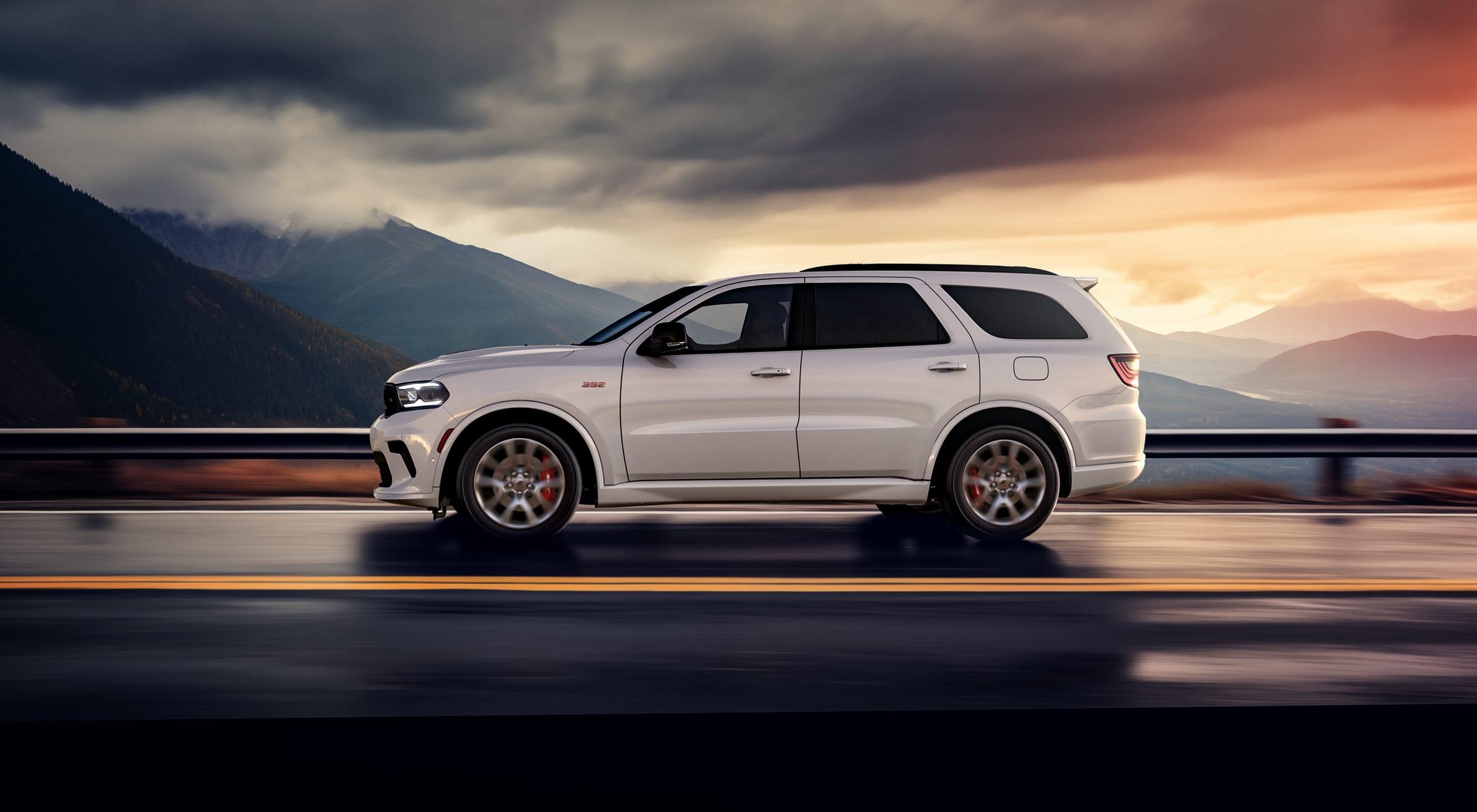
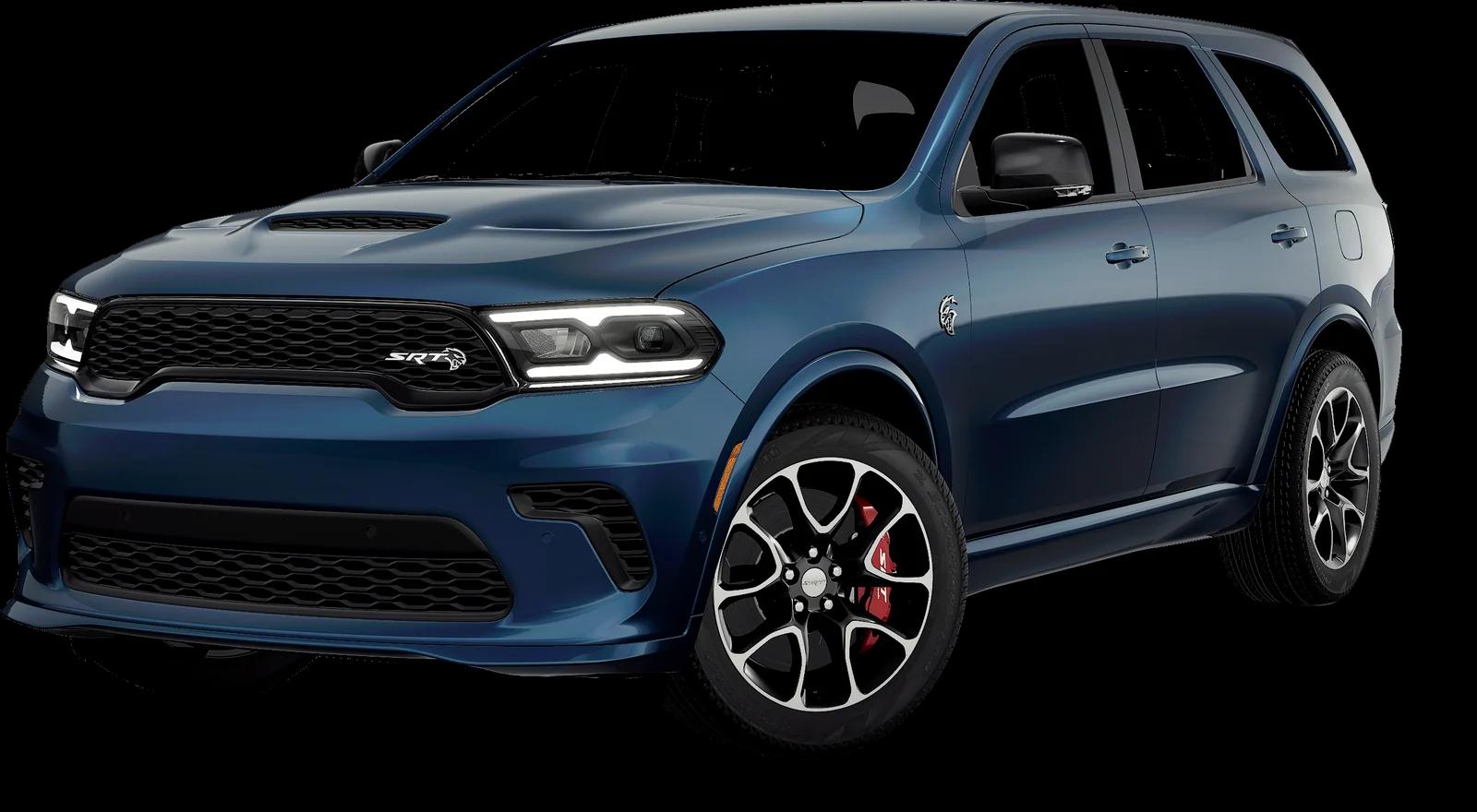
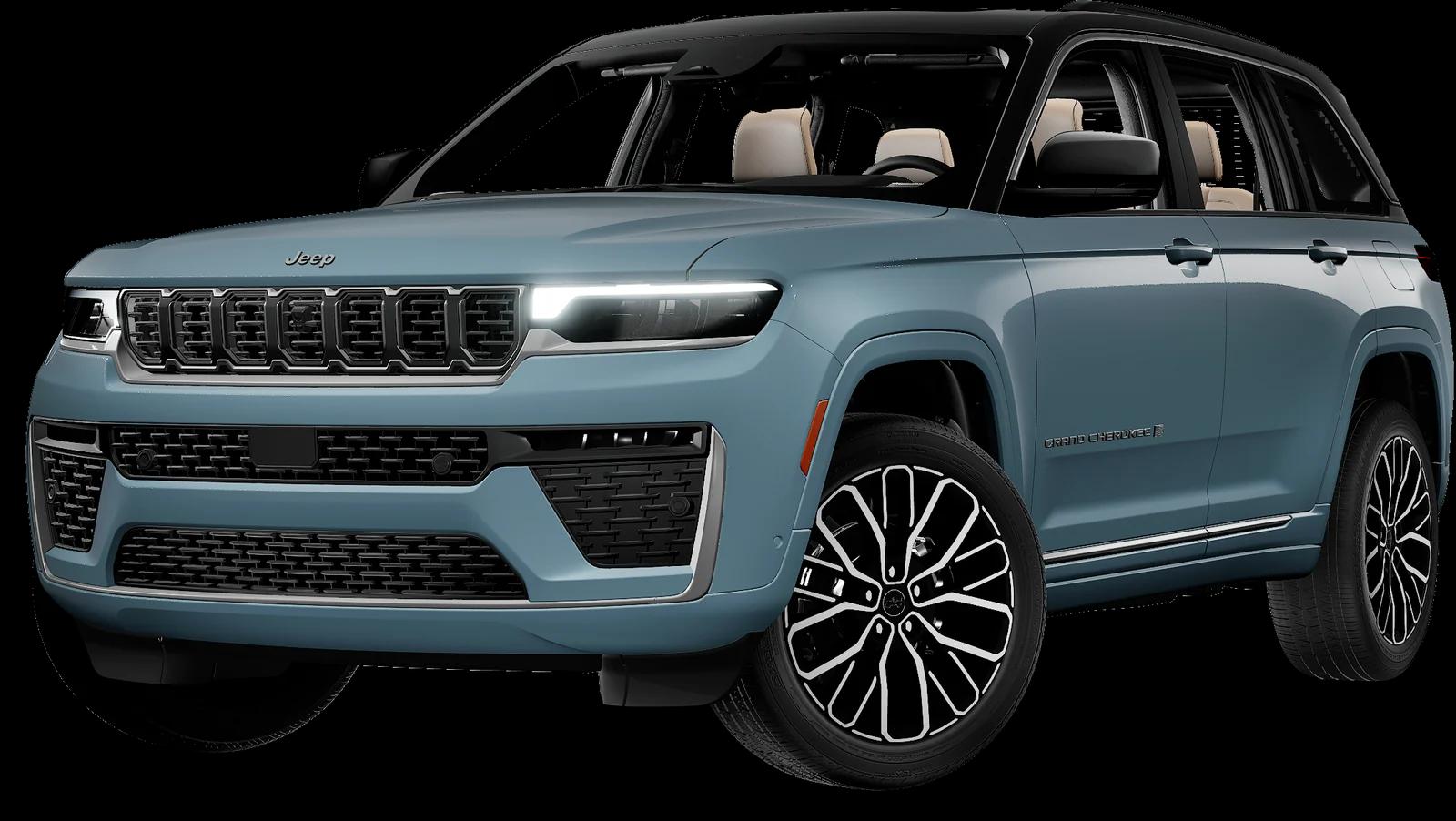
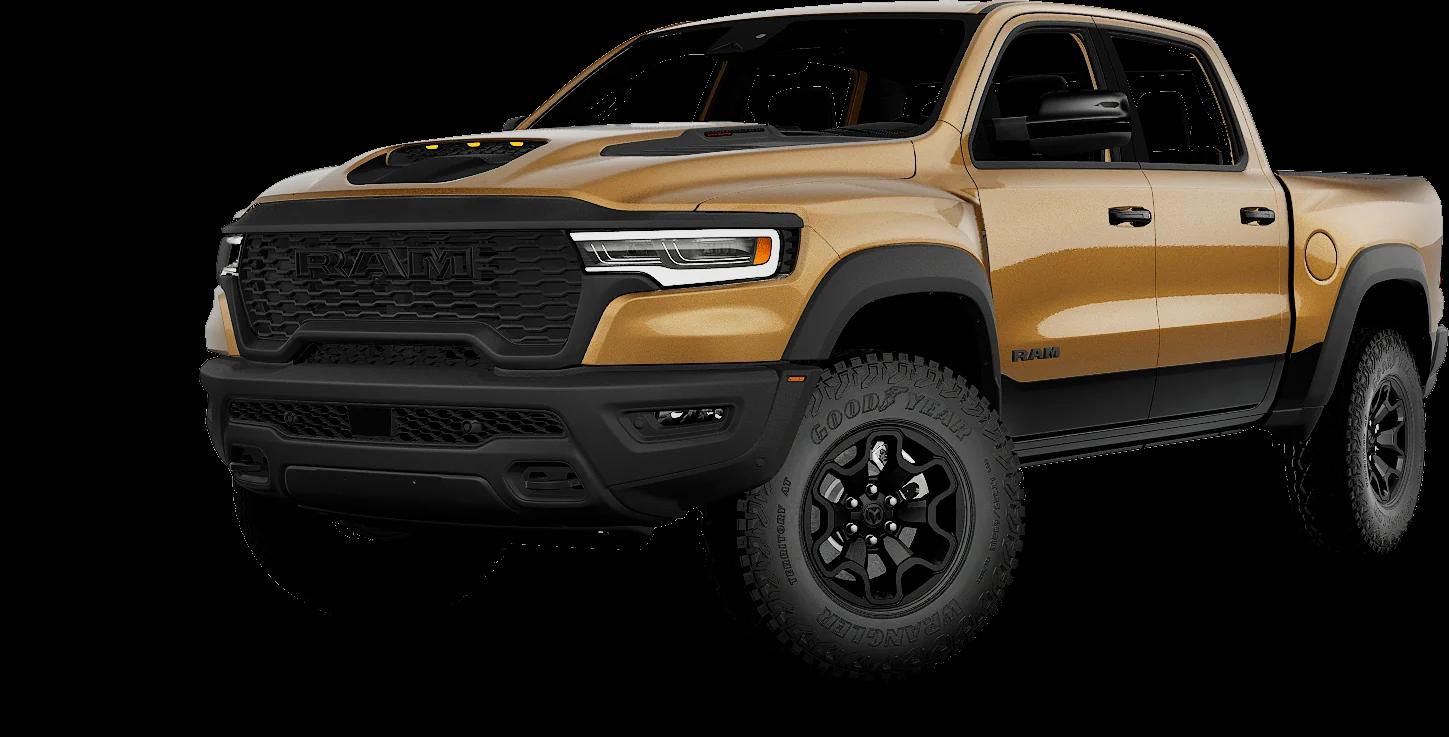
The Dodge Durango is the family-hauler answer. The GT with the 5.7-liter HEMI V8 starts at $43,875 and is rated for 7,200 pounds, while the R/T 392 and the optional tow group lift that to 8,700. Its payload is roughly 1,350 to 1,590 pounds depending on trim, which is the number to compare against the weight of the family, the cooler and the tongue of the trailer. The Grand Cherokee tops out at 6,200 pounds and rides more softly. A Ram 1500 can pull up to 11,530 pounds with the Hurricane six-cylinder, which is overkill for a bay boat but sensible for a camper or a larger sportfisher.
Storm surge and flooded vehicles
Hugo in 1989, Matthew in 2016, Florence in 2018 and Ian in 2022 are reminders that the South Carolina coast takes hurricanes seriously. Between storms, Charleston's peninsula can flood on a high tide with no rain at all, and a parked car can sit in a puddle that smells like the harbor. Park on higher ground when a king tide is forecast, and do not drive through standing water on the assumption that your SUV will cope.
With a used purchase, ask pointed questions. Flood cars can be moved out of state and re-titled, so a clean-looking title does not settle it. Check for silt under the carpets and inside the doors, rust on seat bolts, fogging inside the headlights and fresh, mismatched carpet. Published fording depths exist for off-road trims, including 30 to 34 inches on the Wrangler, but they assume clean water, a calm approach and a vehicle that has been looked after, not a flooded street.
Upstate and Midlands commutes
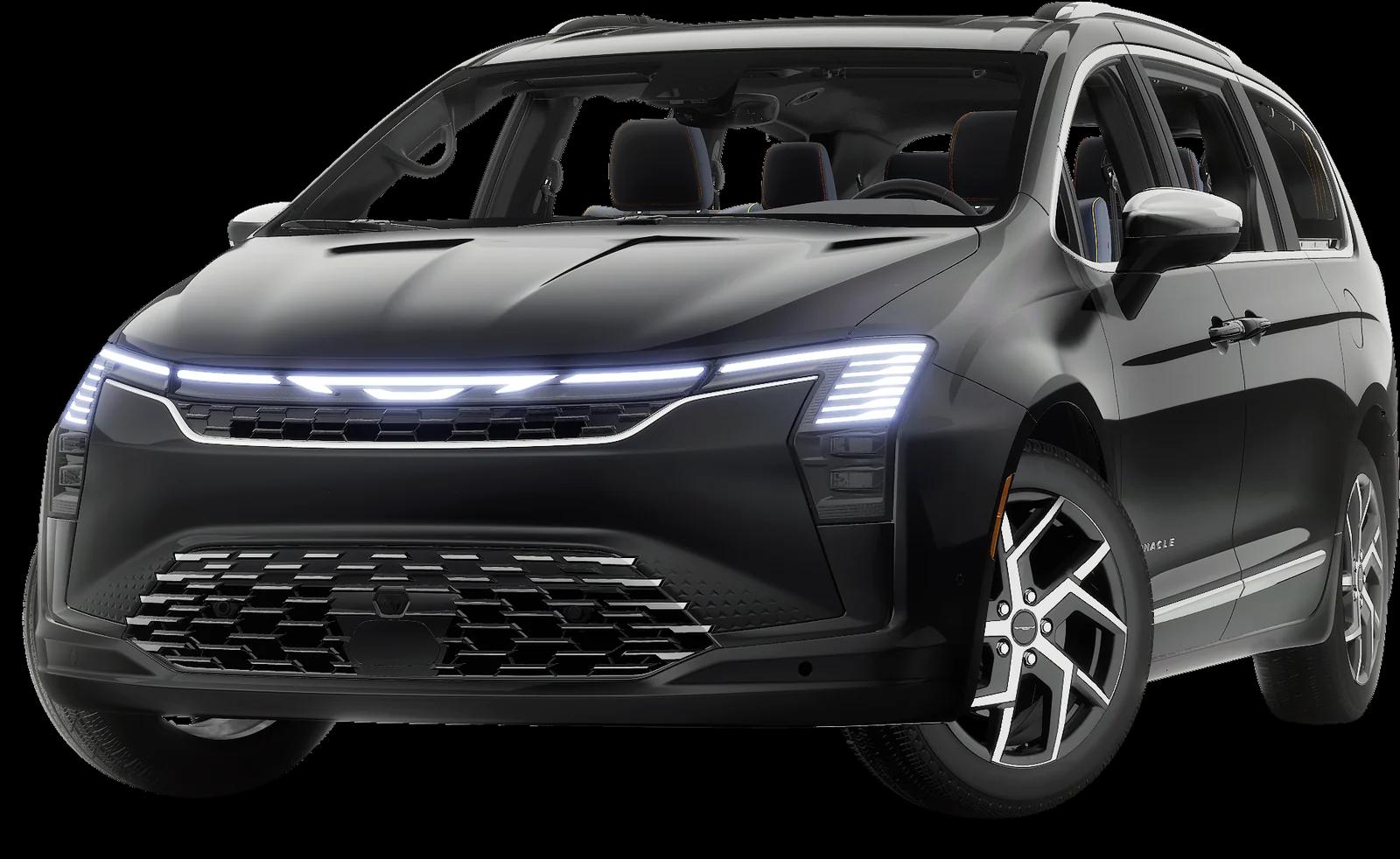
Away from the coast, daily life is about I-26, I-85, I-77 and the Columbia and Greenville metro roads. The Cherokee hybrid starts at $35,130, includes 4x4 on every trim and returns up to 39 mpg by Jeep's estimate in the city. For families who want sliding doors rather than a third-row SUV, the Chrysler Pacifica starts at $41,595. Greenville and Spartanburg buyers who head north on weekends to the Blue Ridge escarpment may like the Grand Cherokee, which offers Quadra-Trac I or Quadra-Drive II four-wheel drive.
Paperwork that surprises newcomers
South Carolina does not run a periodic safety inspection program for passenger vehicles, so a used car that looks fine may never have been checked by an independent mechanic. Budget for a pre-purchase inspection at a shop you choose. The state also treats vehicles as taxable property: counties send an annual vehicle property tax bill, and it is normally settled before you can renew your registration. The South Carolina Department of Motor Vehicles handles titles and tags, and new residents should ask what documents it wants when they transfer a title from another state.
South Carolina buyer FAQ
Does South Carolina require a vehicle safety inspection?
No. South Carolina does not run a periodic safety inspection program for ordinary passenger vehicles. That means an inspection sticker on a used car tells you nothing, and the condition of brakes, tires and corrosion is up to you to verify. A pre-purchase inspection by an independent mechanic is the best protection, especially on vehicles that have lived near the coast.
How can I tell whether a used vehicle in the Lowcountry was flooded?
Start with a vehicle history report, then inspect the vehicle itself. Look for silt or sand beneath the carpet and spare tire, rust on seat rails and bolts, moisture in the headlights or taillights, and a damp or perfumed smell. Check that electronics all work. A clean title does not prove a vehicle was never submerged, so physical evidence matters.
How much can a Dodge Durango tow behind a boat?
The Durango GT with the 5.7-liter HEMI V8 is rated for 7,200 pounds, and the R/T 392 or a GT with the Tow 'n Go package is rated for 8,700. Compare the fully loaded boat, trailer and fuel weight with those numbers, and keep tongue weight inside the payload, which is roughly 1,350 to 1,590 pounds depending on trim.
More South guides