South guides · VA
Tunnels, tolls and tidal flooding: Virginia from Hampton Roads to the Shenandoah
Virginia drivers share the same state but live very different commutes: Navy families crossing bridge-tunnels in Hampton Roads, Northern Virginia drivers in express-lane traffic, and Valley and Southwest Virginia drivers climbing mountain roads. This guide starts with the water, then moves west.
Our picks for Virginia
Hampton Roads: bridge-tunnels and tides
The Hampton Roads region is built around water crossings, from the Hampton Roads Bridge-Tunnel to the Midtown and Downtown Tunnels and the Chesapeake Bay Bridge-Tunnel out to the Eastern Shore. Traffic backs up at all of them, and an E-ZPass transponder makes the tolled ones easier. Norfolk and Virginia Beach also see regular tidal flooding on streets, sometimes in clear weather, and salt water in a wheel well is not the same as rain.
With that in mind, prioritize corrosion protection and parking. Rinse the underbody after a flooded street, avoid driving through standing water and ask about undercoating when comparing used coastal vehicles. If the vehicle came from a flood-prone neighborhood, a history report and a check of carpets, seat bolts and electrical connections are worth the time.
Military buyers are common here, with a large naval presence in Norfolk and Virginia Beach and other bases across the state. The Servicemembers Civil Relief Act lets many service members keep their home state's vehicle registration while stationed away from home, so ask your installation's legal office what applies to your situation before registering in Virginia.
Northern Virginia and the Richmond corridor
I-95, I-395, I-495 and I-66 are the working roads of Northern Virginia, and several have express or dynamically tolled lanes where a carpool and the right E-ZPass setup can save real money. Richmond adds I-64 and I-95 merges and a steady flow of freight. For commuters who spend more time in traffic than at speed, efficiency and driver-assist features are worth more than horsepower.
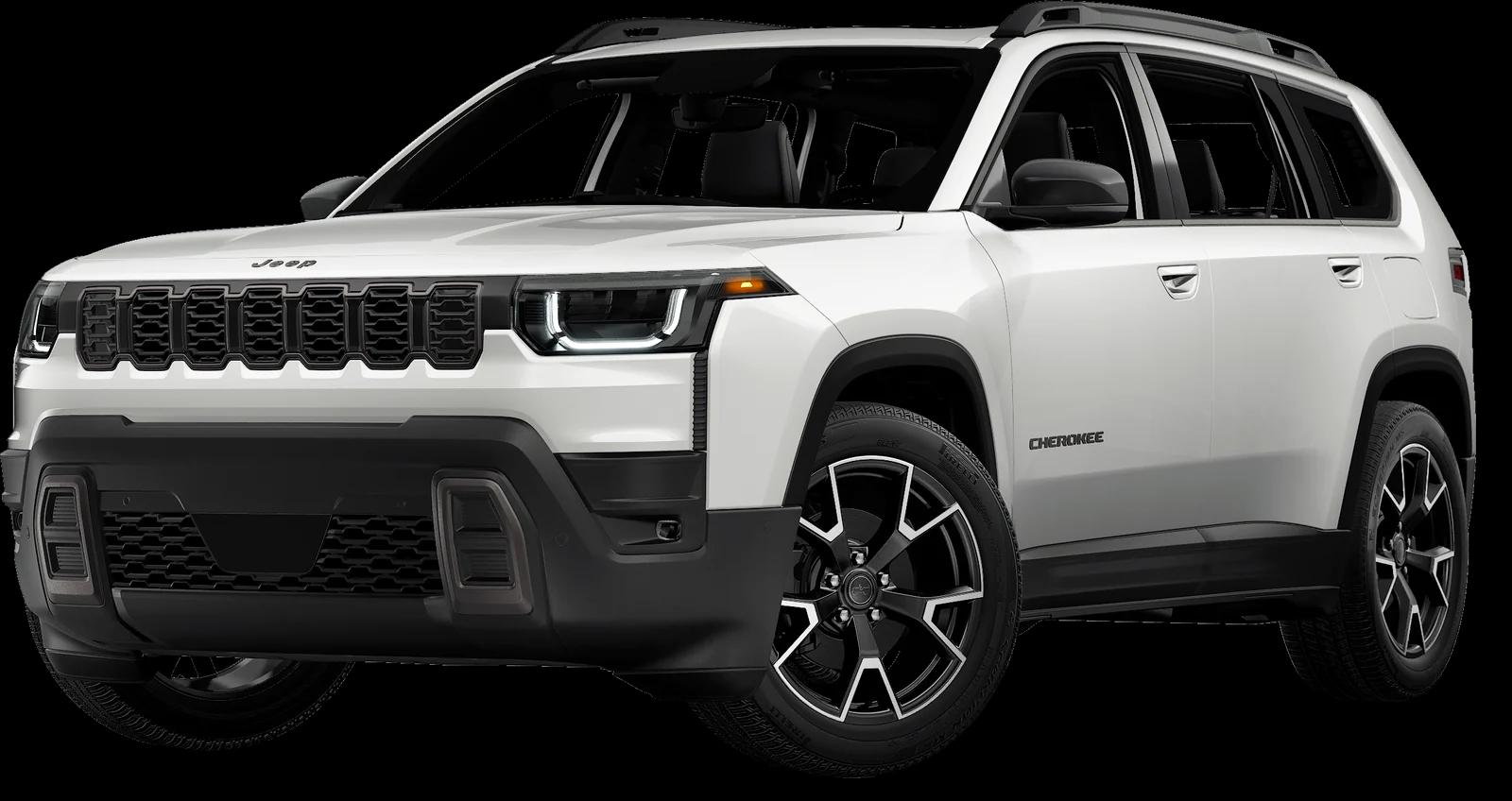
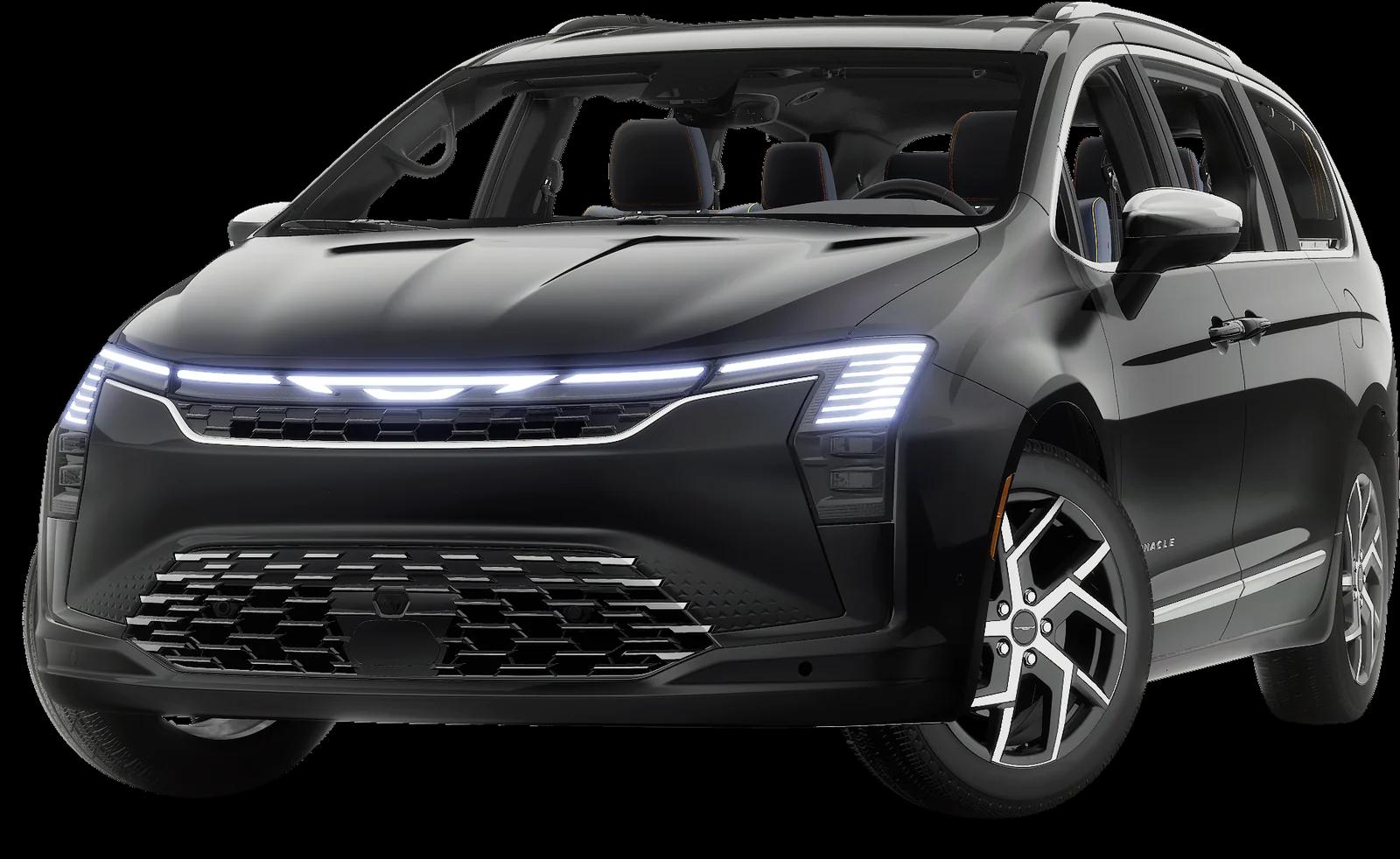
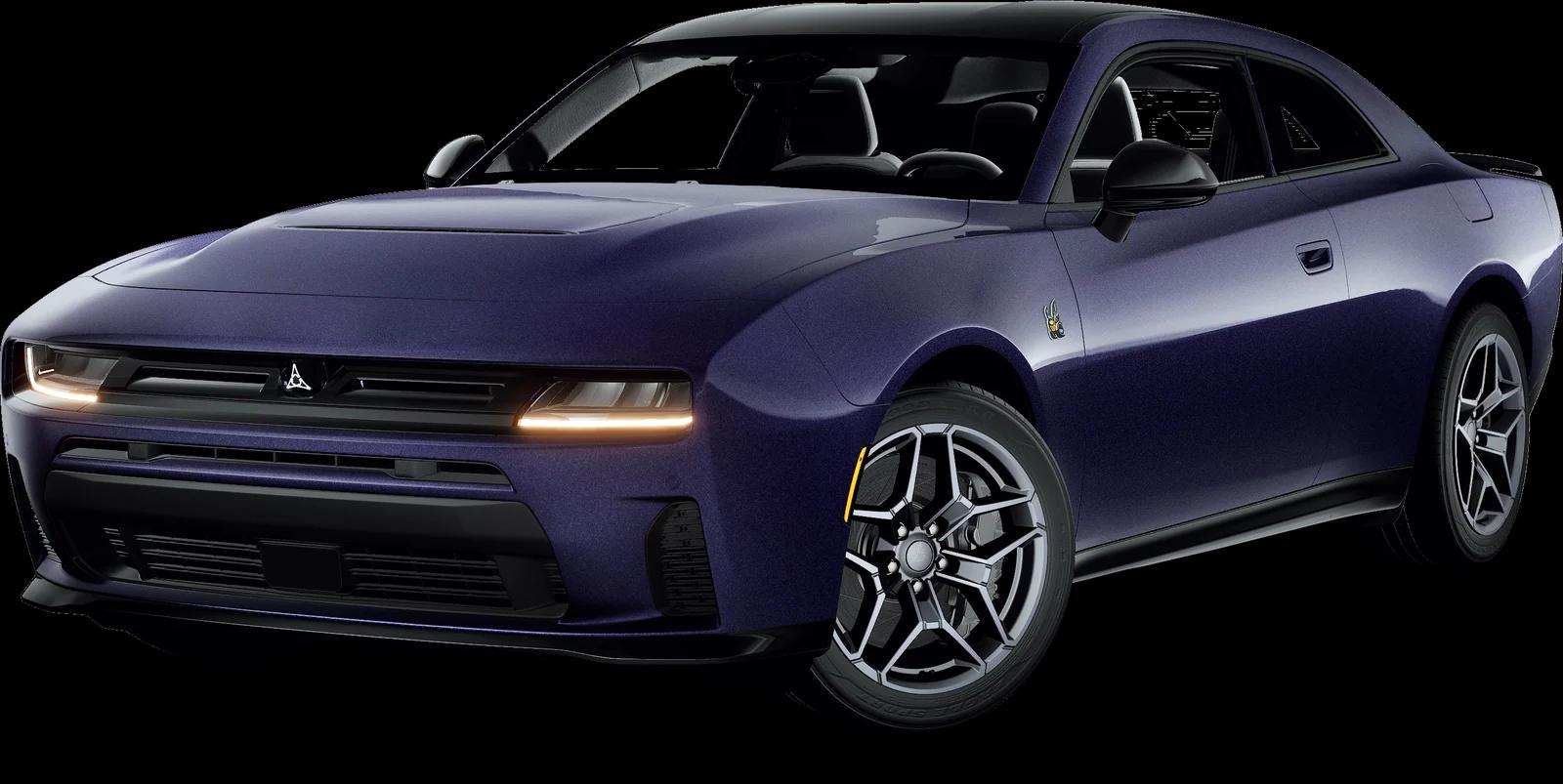
The Jeep Cherokee, a hybrid with 4x4 on every trim, starts at $35,130 and lists up to 39 mpg in the city by Jeep's estimate. The Chrysler Pacifica is a better fit for carpools and school runs, starting at $41,595 with seating for seven or eight and available all-wheel drive. The Dodge Charger is an unusual commuter, but it is a legitimate one: SIXPACK R/T models start at $49,995 with standard all-wheel drive that can switch to rear-wheel drive, and the electric Daytona reaches up to 267 miles of range with a native NACS charging port.
I-81, the Valley and the Blue Ridge
West of the Blue Ridge, I-81 runs from Winchester down through Harrisonburg, Staunton, Roanoke and Wytheville, and trucks make up a big share of the traffic. Skyline Drive is capped at 35 mph and the Blue Ridge Parkway at 45 mph, which means scenery matters more than speed. Roanoke, Blacksburg and Southwest Virginia add steep grades and mountain weather that can surprise valley drivers.
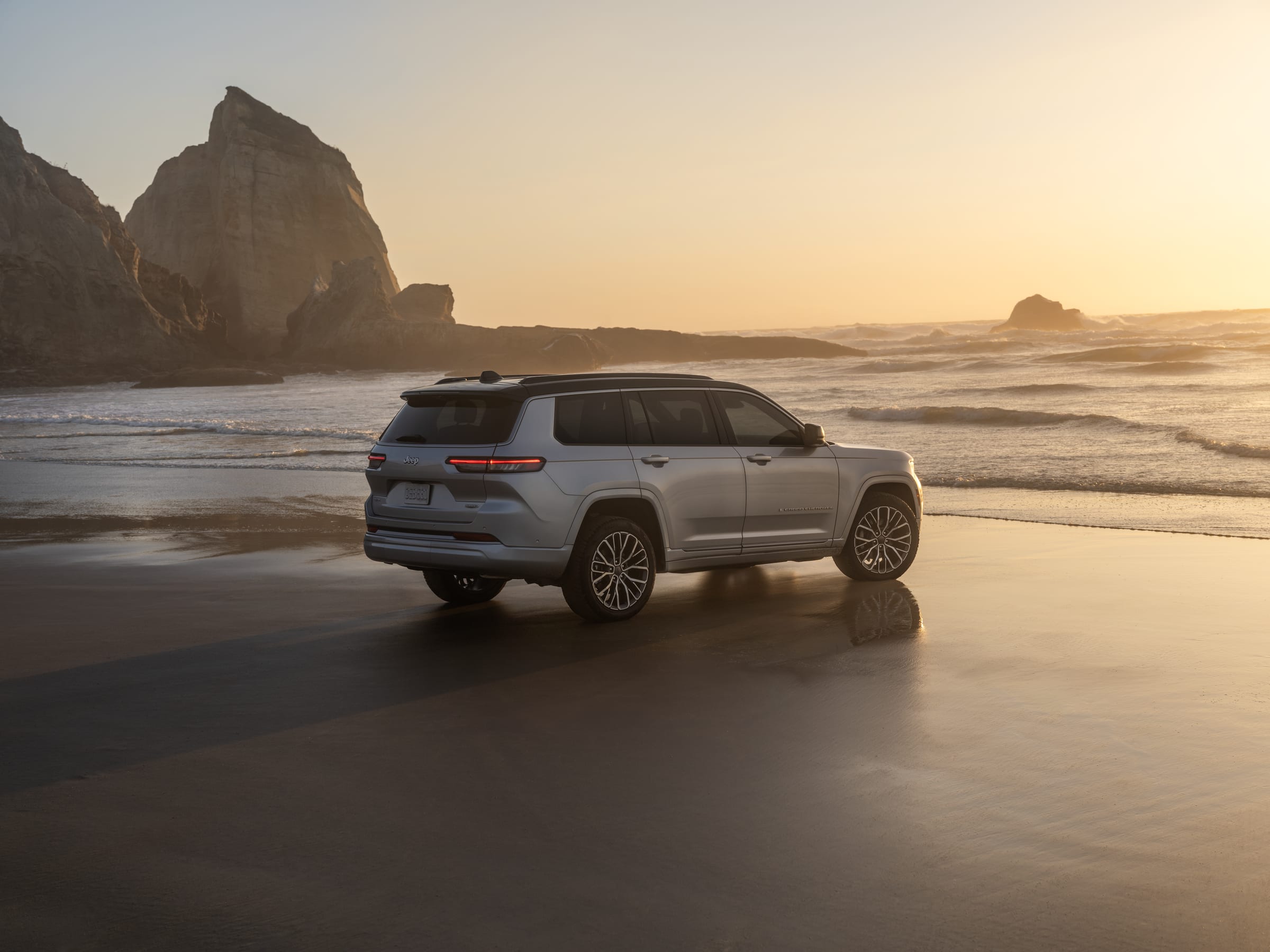
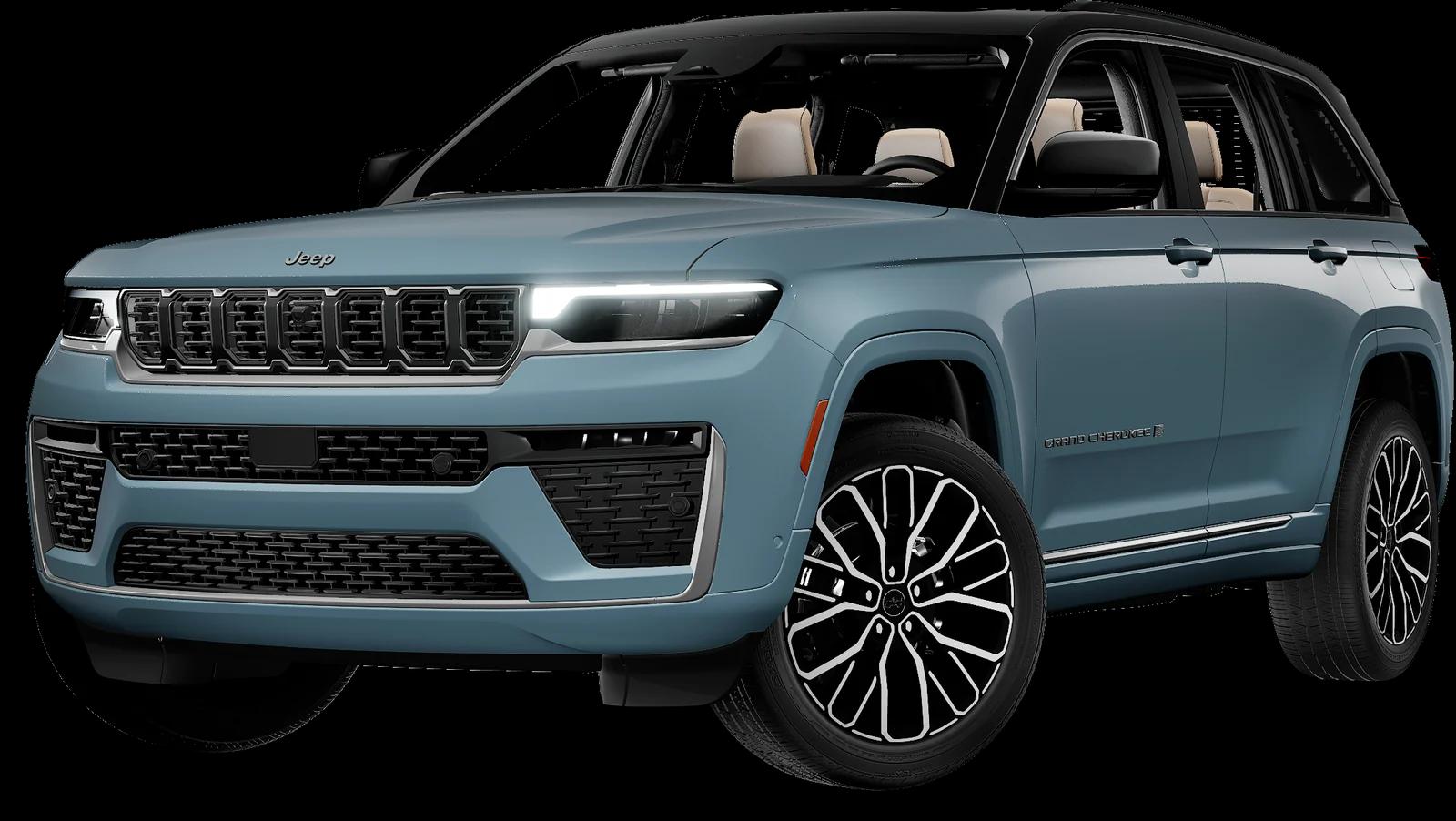
The Jeep Grand Cherokee is the most balanced pick for these roads. The base Laredo starts at $39,730, towing is rated up to 6,200 pounds, and Trailhawk and Summit models add air suspension for extra ground clearance. Drivers who want a lower price and still need four-wheel drive can look at the Compass, which starts at $29,990 with 4x4 on every trim.
Taxes and paperwork
The Virginia Department of Motor Vehicles collects a motor vehicle sales and use tax when you title a vehicle. Separately, most cities and counties levy a personal property tax on cars, often called the car tax, and bills are set locally, so two neighbors on opposite sides of a boundary can pay different amounts. Ask your locality's commissioner of the revenue how new vehicles are assessed before assuming a figure.
Virginia buyer FAQ
Does Virginia charge a car tax every year?
Many Virginia cities and counties levy an annual personal property tax on vehicles, and the rate and assessment method are set locally. Your local commissioner of the revenue or treasurer can tell you how your vehicle will be valued. Separately, the Virginia DMV collects a sales and use tax when you title a vehicle, so budget for both costs.
Can military members stationed in Virginia keep their home-state registration?
Often, yes. The federal Servicemembers Civil Relief Act allows many service members to keep their home state's vehicle registration and avoid some local vehicle taxes while stationed in another state. Rules differ by situation and by locality, so confirm with your installation's legal assistance office and your local tax office before relying on it.
Is a Dodge Charger practical in Virginia winters?
The current Charger lineup comes with all-wheel drive, a Wet/Snow drive mode on the gas models and a hatchback layout with up to 38 cubic feet of cargo space with the seats folded. Ground clearance is only about 5.5 inches, so deep snow is a real limit. Good winter tires matter more than the badge, especially in the western part of the state.
More South guides