Buyer guide
Electric and Plug-In Jeeps and Dodges for Long Southern Drives
What the Wagoneer S, Recon and Charger Daytona can do on rural Southern interstates, how heat changes the math, and where the plug-in hybrids went.
By the South CDJR editors · Updated November 4, 2026 · 5 min read
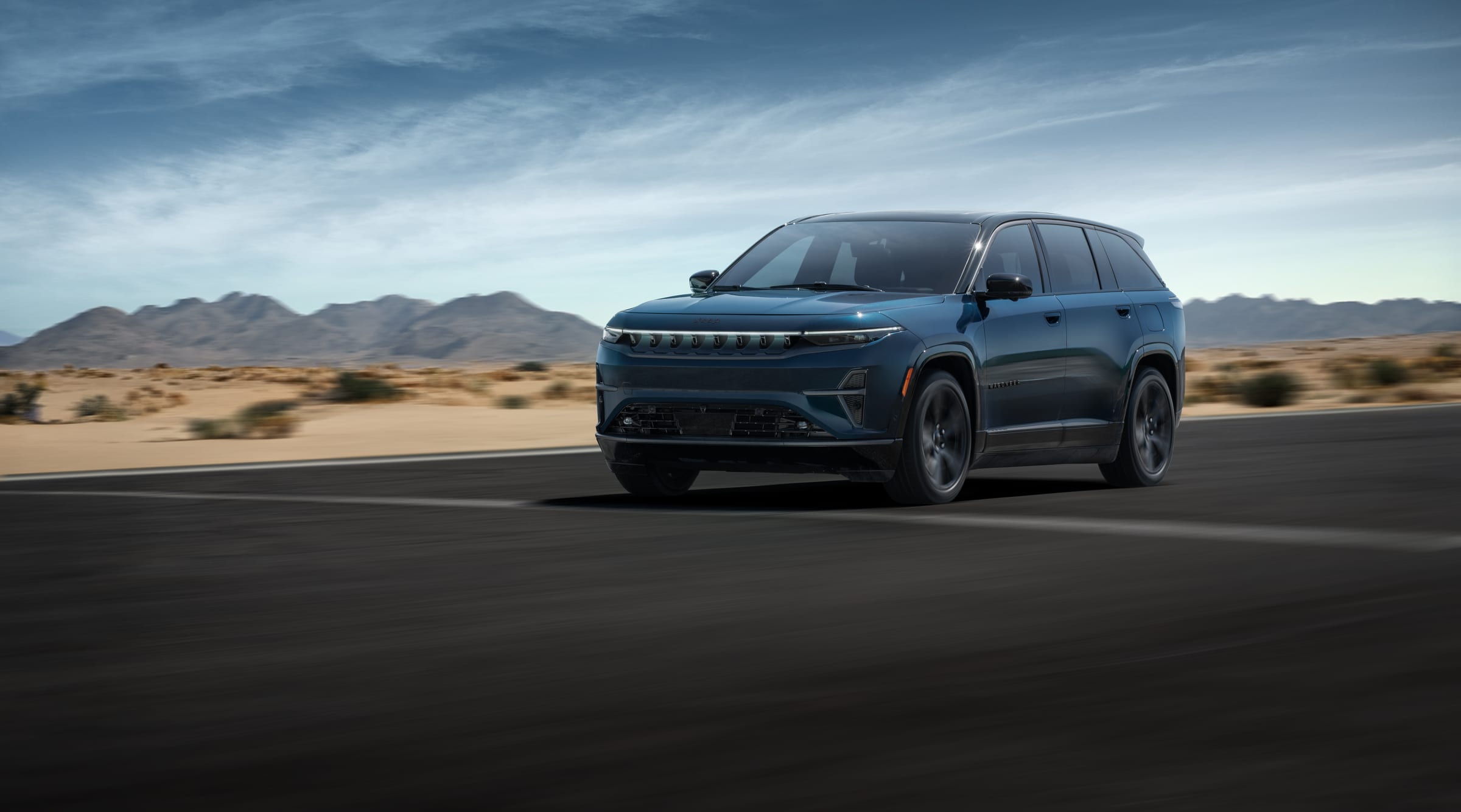
Much of the South is spread out. On the long rural stretches of Mississippi, East Texas, south Georgia and the Florida Panhandle, a charging stop can be a long way from the last one, and a metro area's worth of chargers does not follow you out of town. That single fact matters more to an electric-vehicle shopper here than any 0-60 time.
This guide takes the current Stellantis electric models one at a time, then looks at what heat and empty highway do to a range number. It also answers a question we get often: what happened to the plug-in hybrids?
The three electric models
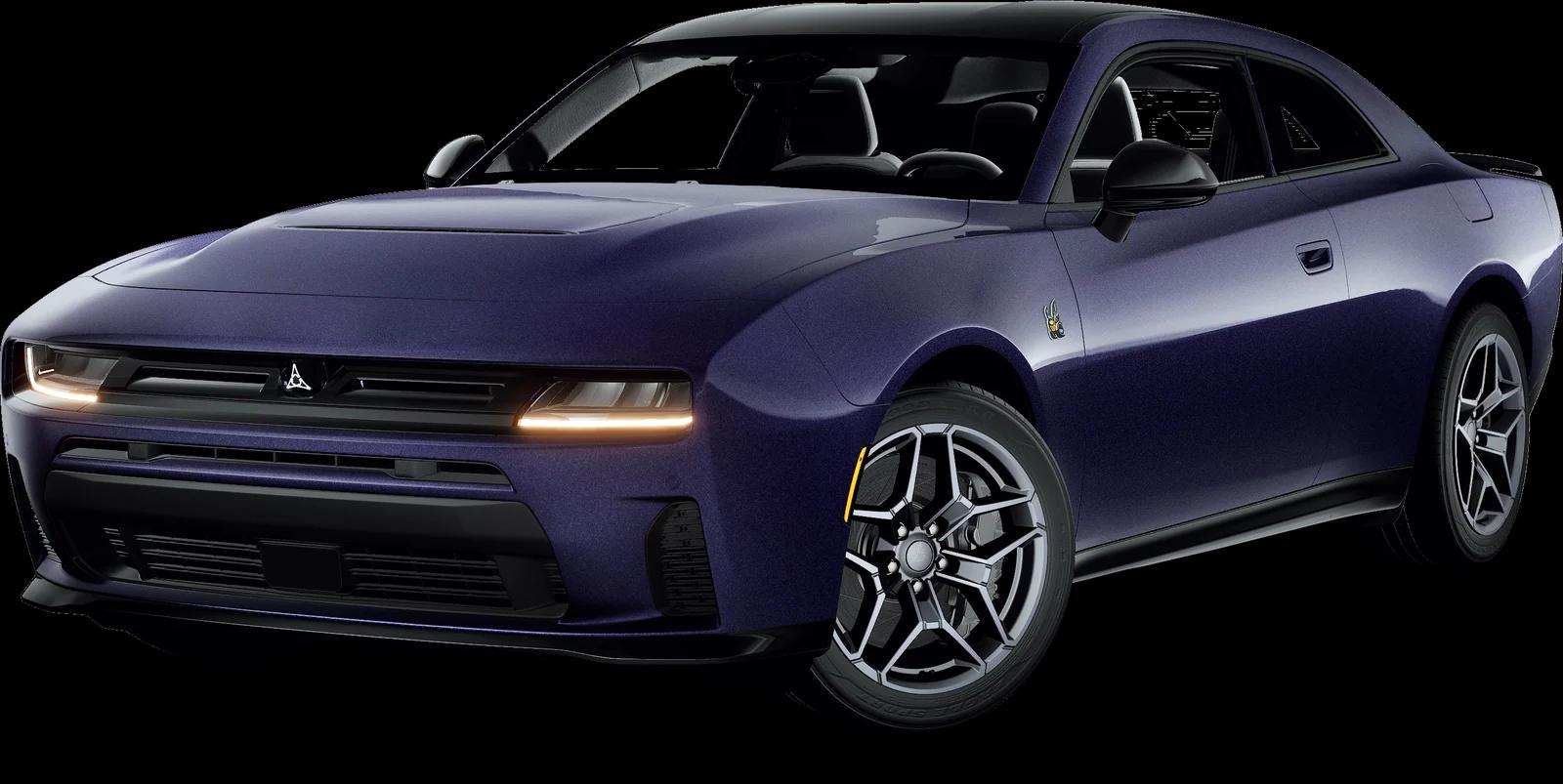
Each figure below is the manufacturer's published number for the model year in the published specs. Jeep lists the Wagoneer S as a 2025 model and the Recon as a 2026 model, and the Dodge is a 2027 model.
| Wagoneer S | Recon | Charger Daytona | |
|---|---|---|---|
| Starting MSRP* | $65,200 (Limited) | $66,995 (Moab) | $77,490 (2-door Scat Pack Plus) |
| Battery | 100.5 kWh | 100.5 kWh | 100.5 kWh (93.9 kWh usable) |
| Estimated range | Up to 294 mi (EPA) | Up to 222 mi (Moab) | Up to 267 mi (EPA) |
| DC fast charge | 20-80% in about 23 min | 5-80% in about 28 min | 20-80% in 27 min on a 350 kW charger |
| Level 2 home charge | About 6 hr (20-80%) | About 6.8 hr (5-80%) | 11 kW onboard charger |
| Towing | Up to 3,500 lbs | Up to 3,300 lbs | Not published |
*Manufacturer-published starting MSRP excluding destination, as of November 2026. Plug-in hybrid prices further down are the last MSRPs recorded for those model years.
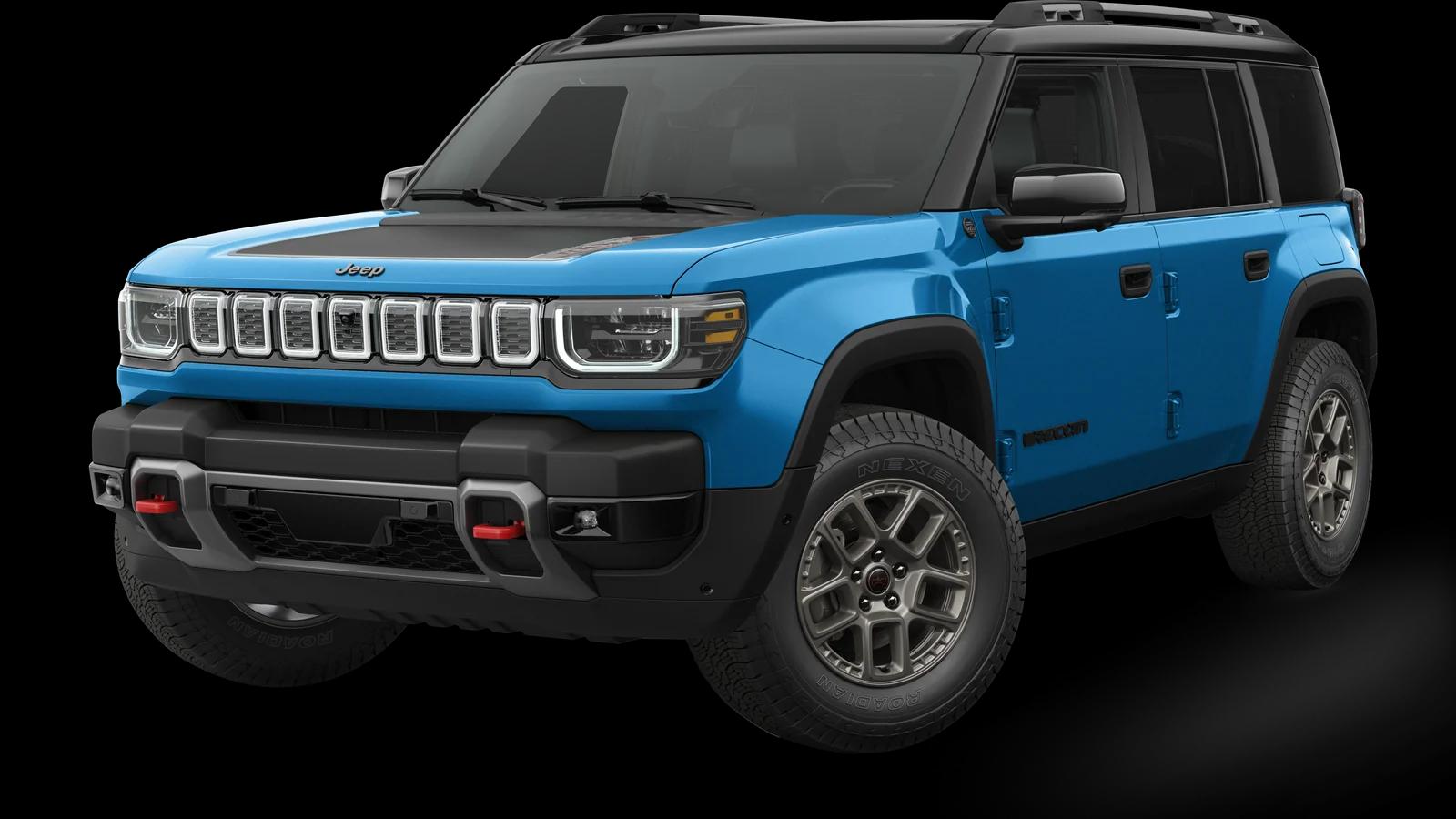
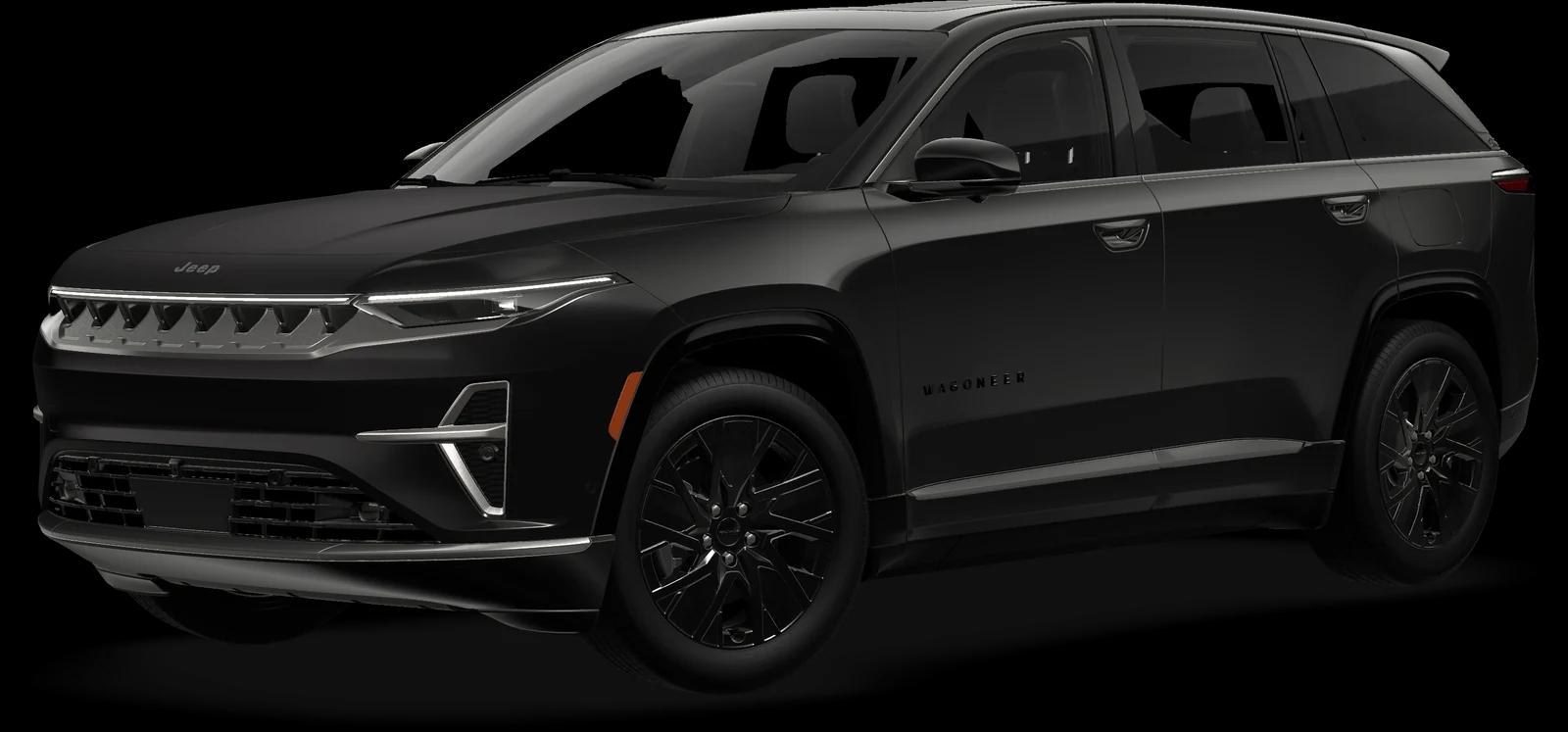
Two notes on that table. The Daytona's range depends on its tires: Dodge lists 231 to 267 miles by package, and the longest figure goes with the best-rated tire setup. All three use a 100.5 kWh battery, so the range gap comes from the vehicle around it. The Wagoneer S sits low, at 6.4 inches of ground clearance, and weighs 5,667 pounds. The Recon is a boxier Trail Rated vehicle that weighs 6,112 pounds and has 9.1 inches of clearance, which is likely part of why it gets a shorter estimate from the same size of battery.
What heat actually does
The published specs do not include any hot-weather range tests, so we will stay general. Electric cars use their batteries to run the air conditioner, and they also spend energy keeping the battery pack within a safe temperature band. In a Southern summer, that overhead shows up as lower range than the sticker implies, and it is most noticeable on short trips where the car is cooling a cabin that has baked in a parking lot.
Three habits help. Cool the cabin while the vehicle is still plugged in, so the energy comes from the wall and not the battery. Park in shade when you can. And treat the EPA estimate as a number for mild weather, not a promise for July.
Heat is also a reason to look at seat ventilation. The Recon's Comfort Package ($1,995*) lists ventilated front seats, and the Wagoneer S Comfort Package ($4,000*, on Limited) lists them too. Ventilated seats let you run the cabin a little warmer without feeling it. We are not claiming a range figure for that, since the data has none.
The rural interstate problem
Highway speed costs range in any electric vehicle, and long stretches of interstate in West Texas, south Georgia or the Mississippi Delta keep you at that speed for hours. The published range figures are mixed-use estimates, so the highway-only number will usually be lower. Dodge's own EPA table shows the pattern for the Daytona: 93 MPGe in the city, 79 on the highway.
Here is a practical way to test a route before you buy:
- Find the longest gap between fast chargers on a trip you actually take, using a charging-network map.
- Compare that gap with a deliberately conservative fraction of the car's rated range. The lower, the better, and in summer it should be lower still.
- Note whether any charger on the gap is the only one for miles. A single broken or occupied stall on an empty highway turns a plan into a problem.
- Check that the charger type fits your car. Dodge says the Daytona ships with a built-in NACS port, so Tesla Superchargers work without an adapter. We did not find the Recon's or Wagoneer S's port type in the published specs, so verify that before you plan around a particular network.
The Daytona's peak charging rate is up to 183 kW with an 11 kW onboard charger, so a 350 kW station will not charge it any faster than its own limit allows.
Where the plug-in hybrids went
If your Southern drives are long and charging is thin, a plug-in hybrid is a sensible compromise: electric around town, gasoline on the interstate. Stellantis built several, but none is in the 2027 lineup.
| Plug-in hybrid | Last model year in the published specs | Lowest plug-in trim, MSRP* |
|---|---|---|
| Jeep Wrangler 4xe | 2025 | Sport S 4xe, $50,695 |
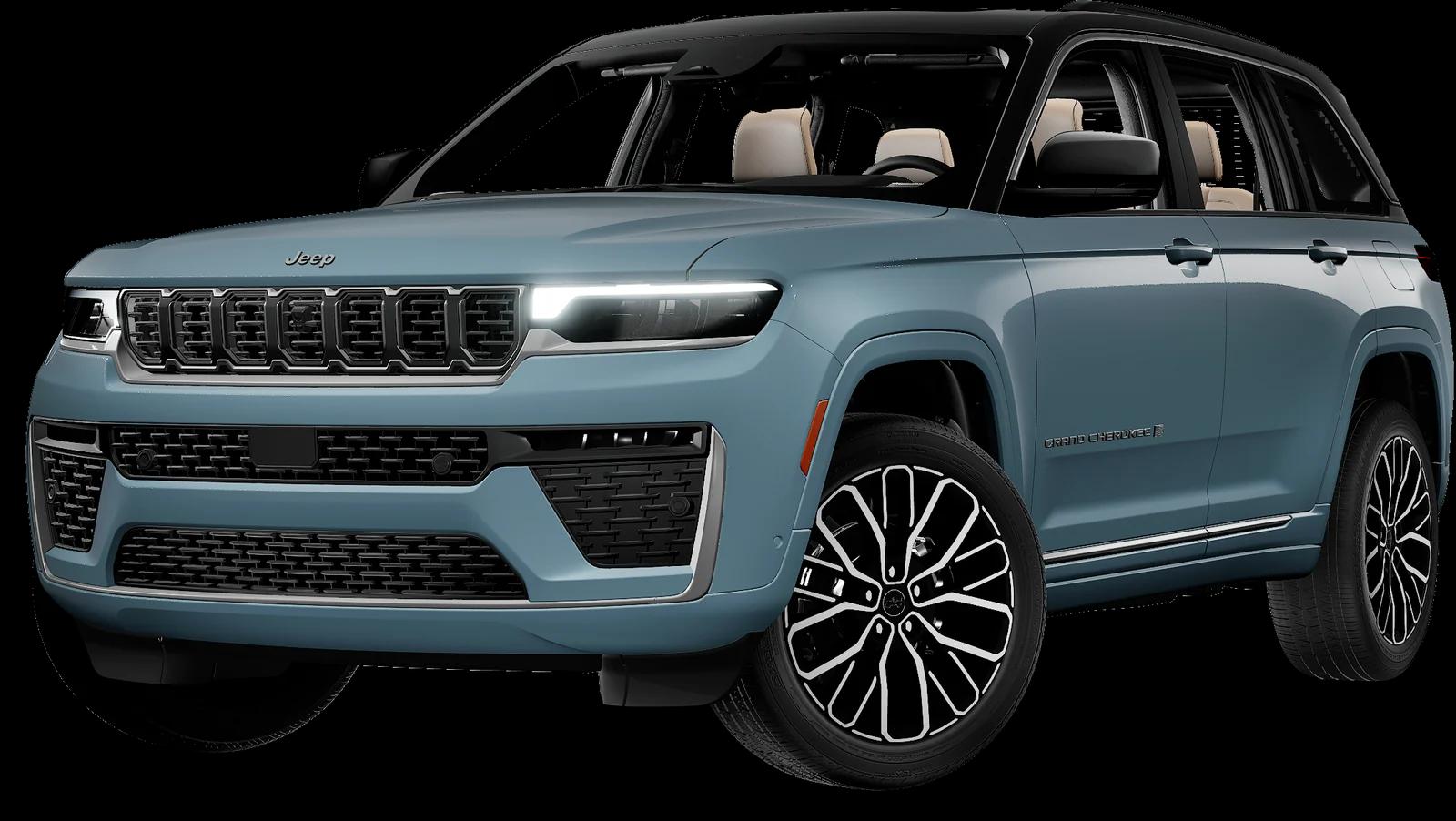
| Jeep Grand Cherokee 4xe | 2026 | Limited 4xe, $52,495 |
| Chrysler Pacifica Plug-in Hybrid | 2026 | Select, $51,765 |
The 2027 Wrangler and Grand Cherokee are sold without a plug-in option, and Chrysler's configurator lists the Pacifica Hybrid as discontinued. The prices above are the last ones recorded for those model years, not current offers. We did not find electric-only range figures for them in the published specs, so read the window sticker or the EPA listing for any used or leftover example you consider. A used plug-in is a legitimate way to get this layout, but battery condition and charging equipment are the things to inspect.
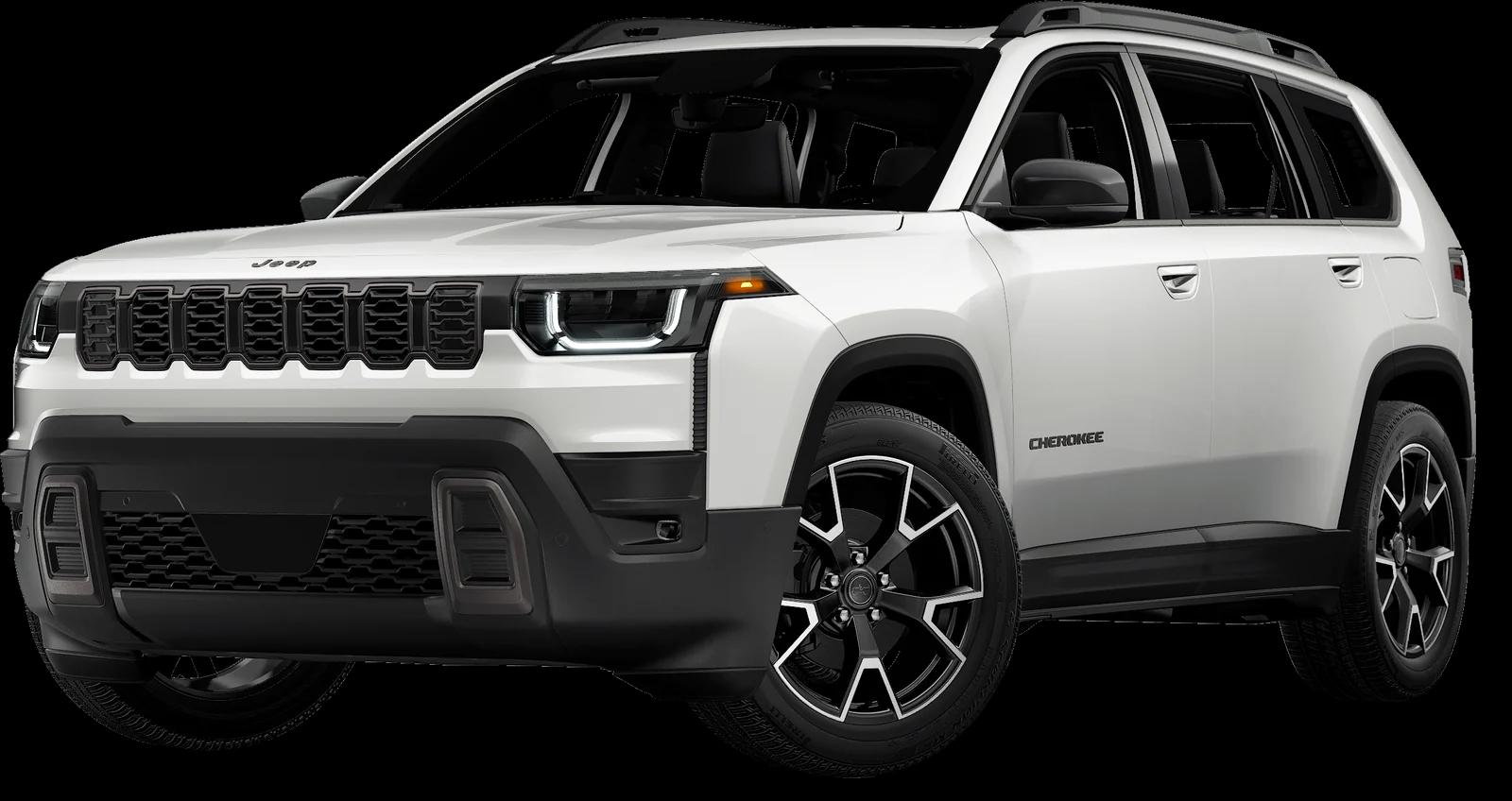
For hybrid efficiency without a plug, the Jeep Cherokee pairs a 1.6-liter turbo four with electric motors and a small 1.08-kWh battery that regenerative braking tops up. Jeep estimates up to 37 mpg combined and more than 500 miles per tank. It is not a plug-in, so there is no electric-only driving, but it also needs no charger at all.
Who should buy an electric Jeep or Dodge in the South
An electric vehicle fits best when you can charge at home, your regular trips fall well within range even on a hot day, and long drives are occasional enough that you can plan them. The Wagoneer S has the longest rated range of the three, the Recon has the off-road hardware and the Daytona has the sharpest performance. All carry high sticker prices.
An electric vehicle fits poorly if you tow often (the ratings above are modest), live where fast chargers are rare, or regularly make the same long rural run with no backup plan.
Bottom line
For most Southern drivers who cover long rural distances on a regular schedule, a gas or non-plug hybrid vehicle is still the lower-risk choice. If you want electric anyway, the Wagoneer S gives you the most range from the published figures, and the Daytona is the only one the published specs confirm has a native NACS port. Pick a route you drive often, check the longest charger gap on it and decide from there.