South guides · OK
Hail, wind and red dirt: Oklahoma tests trucks harder than most states
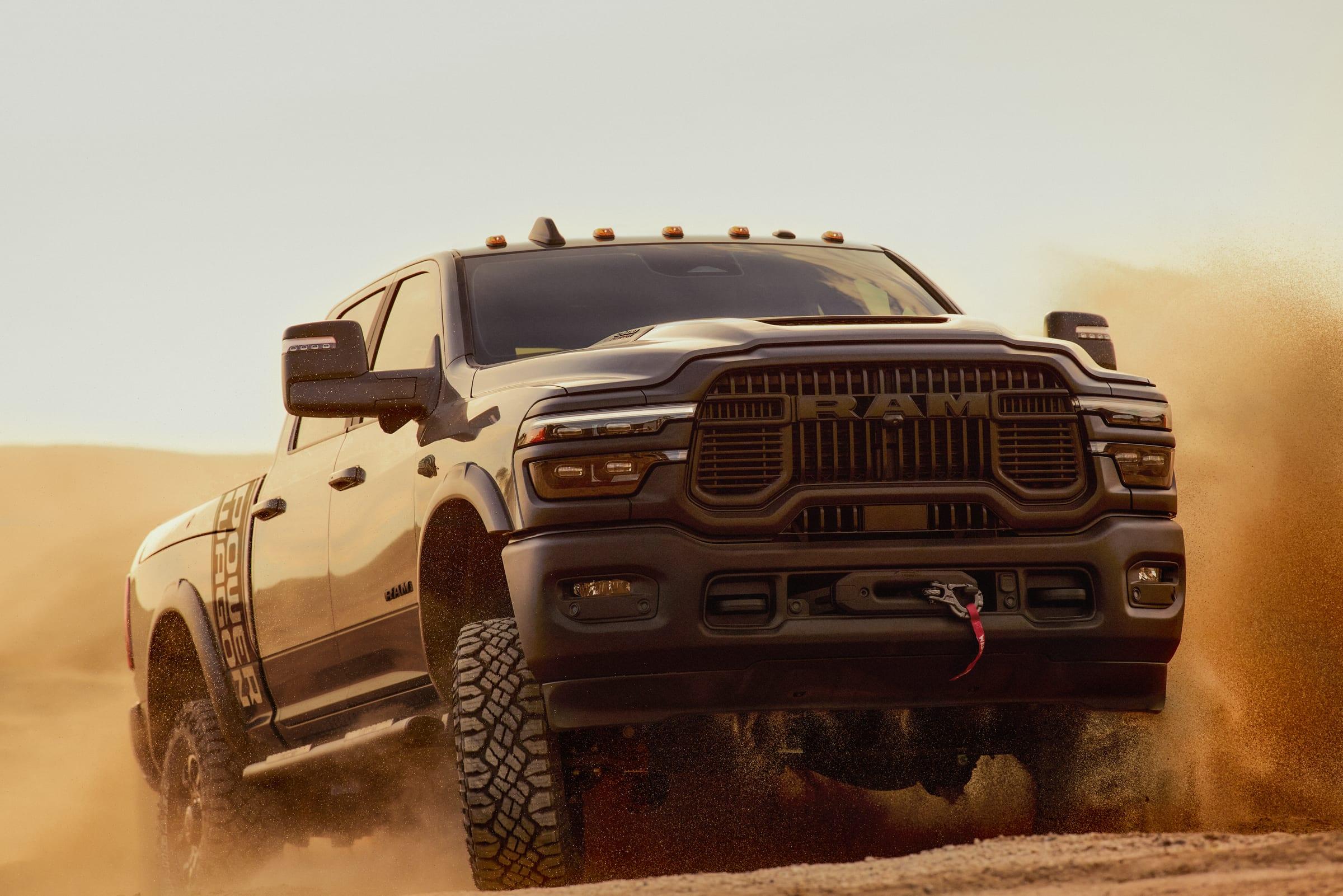
Oklahoma buyers shop with the sky in mind. Spring hail can leave a truck looking like a golf ball, wind pushes tall vehicles around on the plains, and a lot of the state is still reached by gravel, caliche or red clay. This page leans toward Ram work trucks, with notes on the SUVs that suit Oklahoma City and Tulsa.
Our picks for Oklahoma
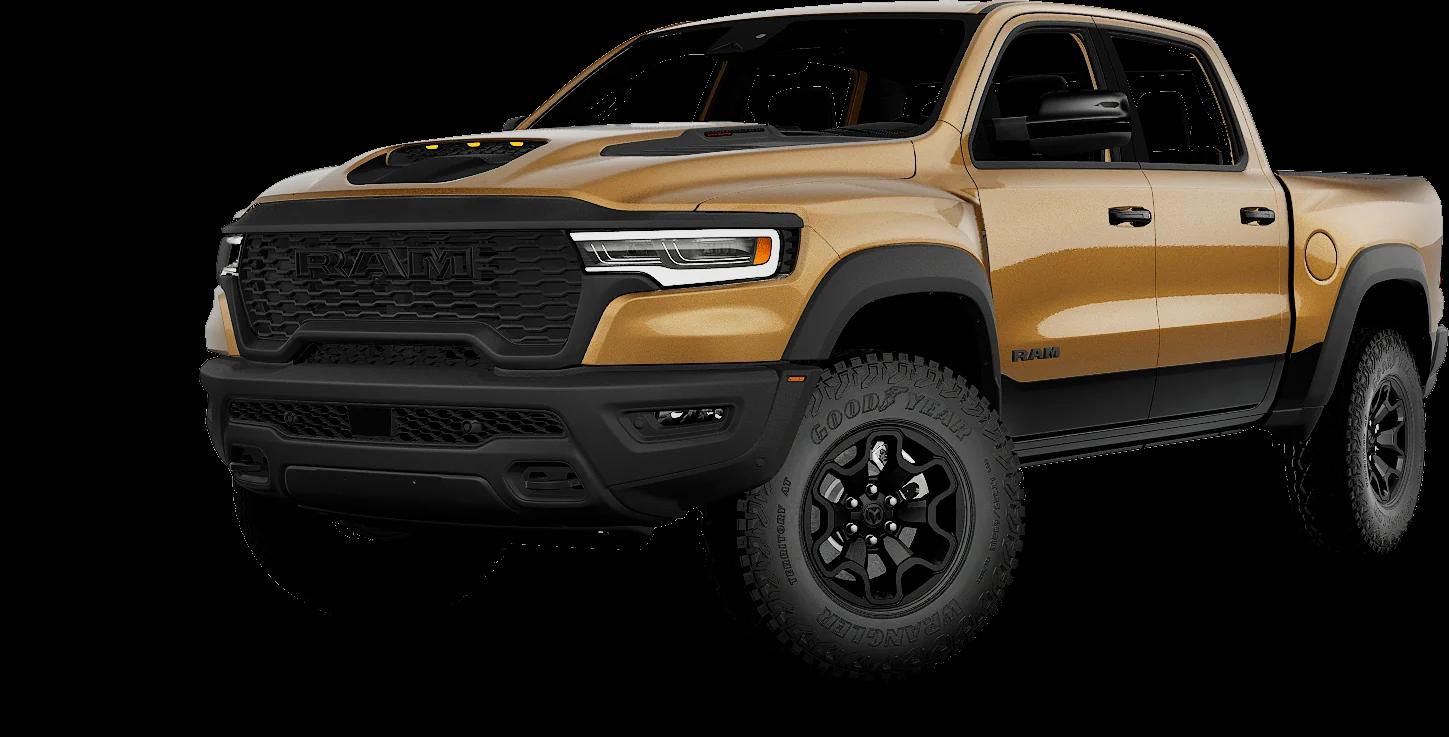
Plan around hail before you pick a trim
Oklahoma sits in the middle of the country's tornado and large-hail corridor, so storm damage is a planning item rather than a freak event. The cheapest protection is a garage or carport, and the second cheapest is checking that your auto policy includes comprehensive coverage with a deductible you could actually pay after a bad spring.
The same weather shapes the used market. Hail-damaged vehicles are repaired and sold every year, sometimes very well and sometimes not. Panoramic sunroofs and soft tops are the parts of a Jeep or SUV most worth protecting. Look at the roof and hood in low, slanting light, ask for repair paperwork, and have an independent shop check the glass, the paint thickness and any sign of a branded title. A new truck bought in a hail-heavy county is often better value than a cosmetically patched one from the next town over.
Ranch gates, lease roads and heavy trailers
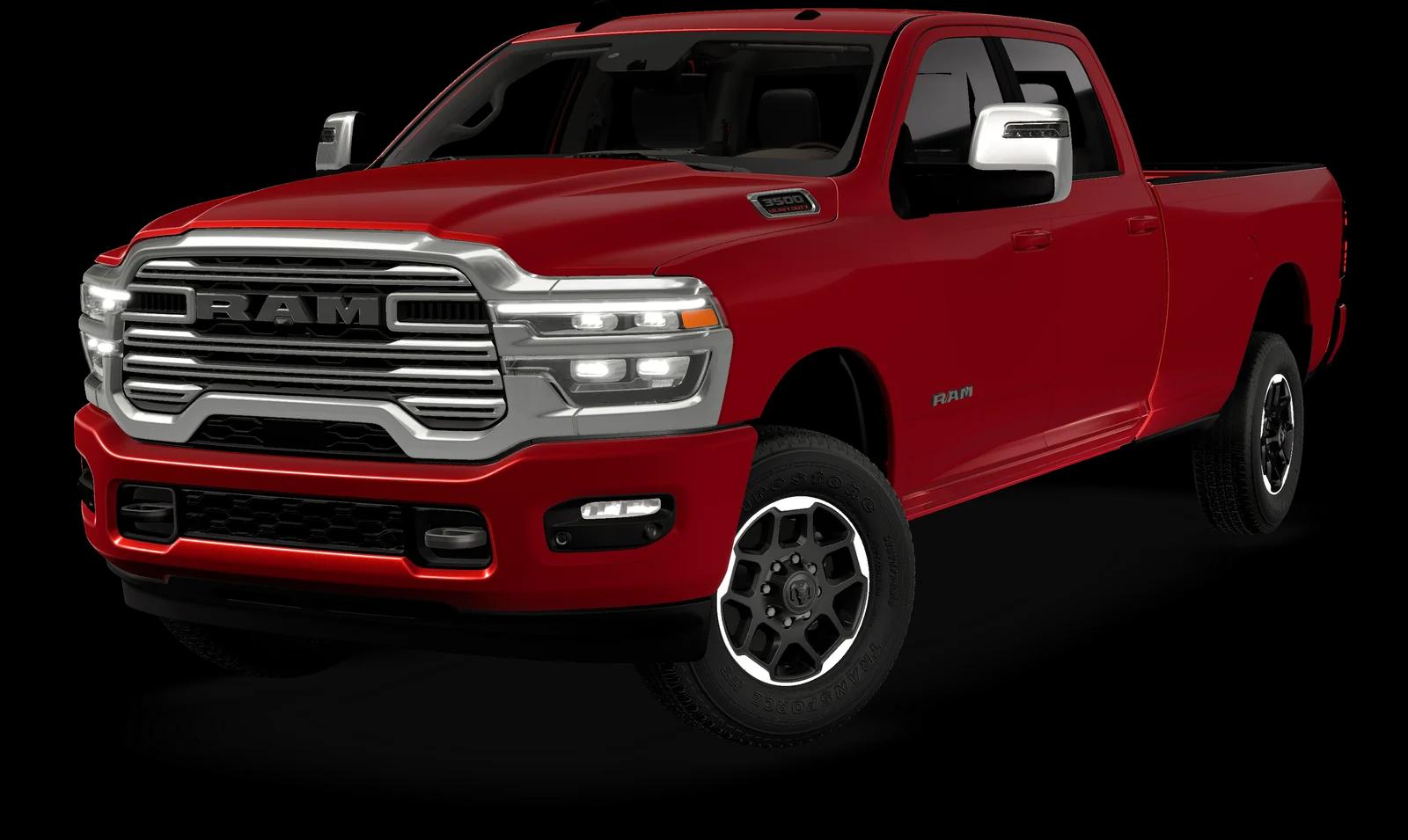
Pickups here are working equipment first. A rancher moving cattle, a hay hauler and an oilfield service company have very different loads, and Ram's numbers split along those lines. The 1500 Tradesman starts at $42,575 and can tow up to 11,530 pounds with the Hurricane six, which suits a stock trailer or a bumper-pull flatbed. Past that, the 2500 starts at $48,040 with a 6.4-liter HEMI V8, and the Cummins High-Output diesel adds 1,075 lb-ft and up to 20,000 pounds of towing.
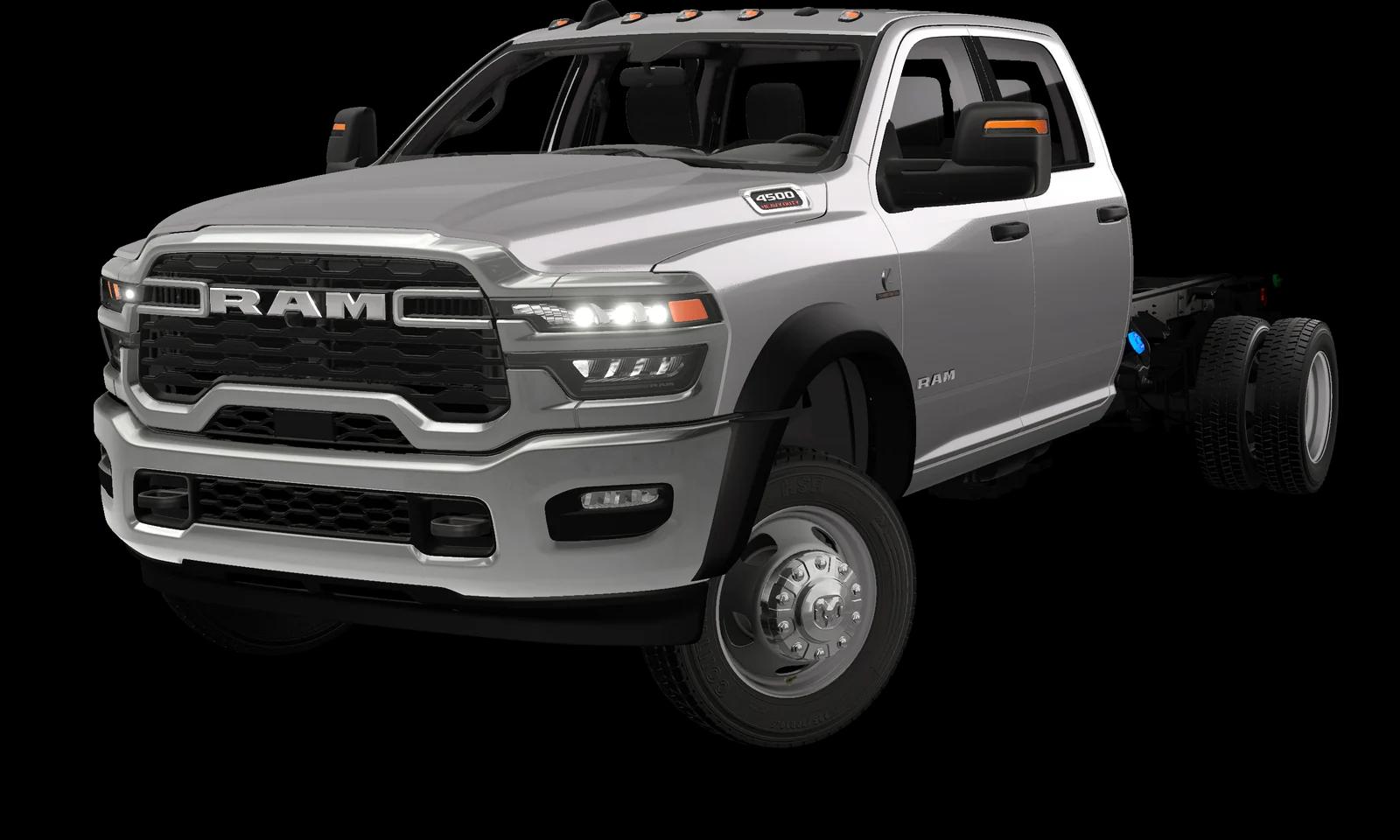
The 3500 is the choice for gooseneck and fifth-wheel loads, with up to 37,020 pounds on the Cummins. Oil and gas contractors in the western half of the state and around Cushing, along with the farm and ranch operations that dominate the rest, often prefer a truck with a replaceable body. Fleets that want a flatbed, service body or water tank should look at the Ram Chassis Cab instead: the gas Tradesman at $49,170 lists up to 7,710 pounds of payload with 18,800 pounds of towing. Because the body is supplied by an upfitter, price and delivery depend on the build you order.
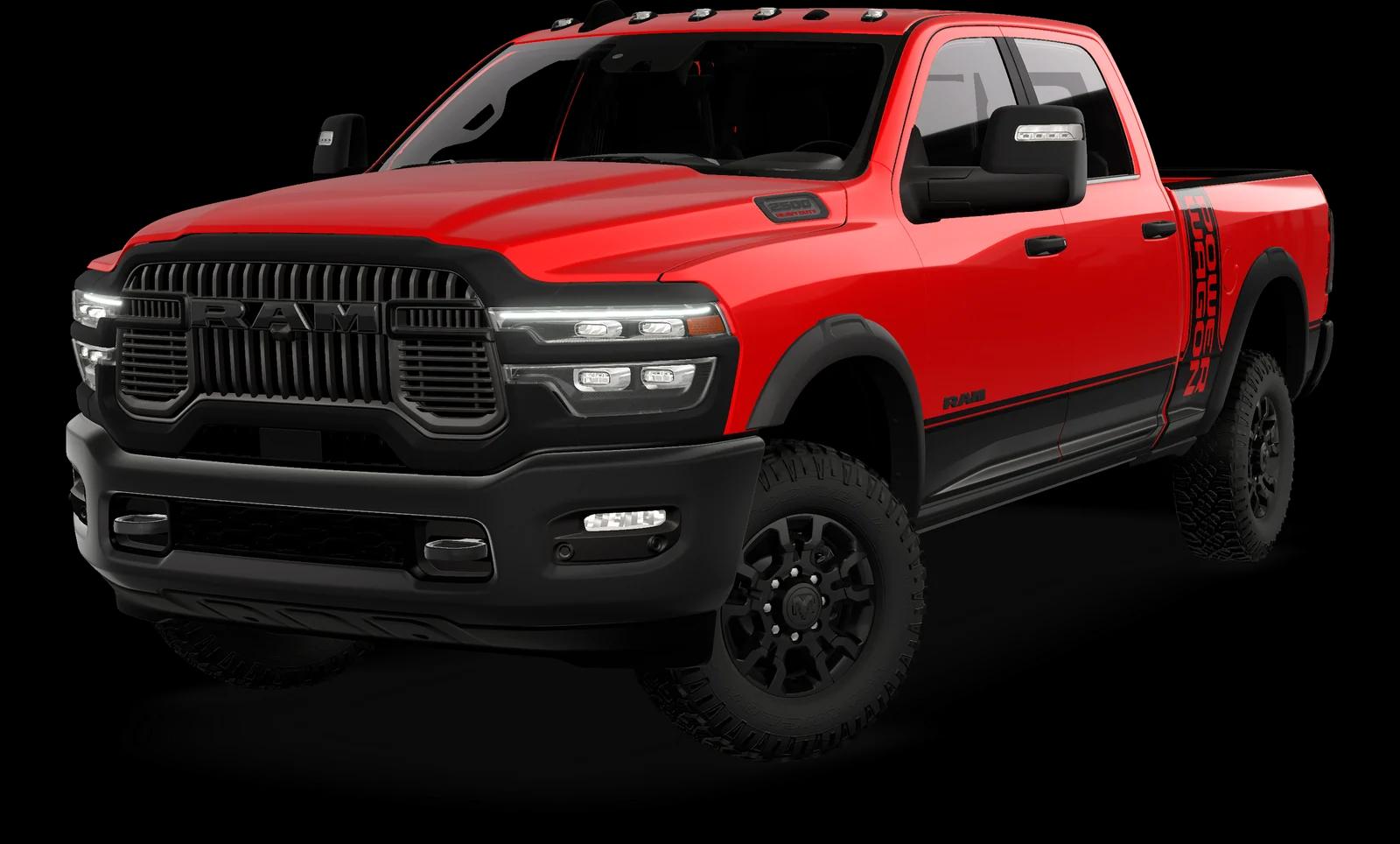
Mud is the other variable. The 2500 Warlock comes with an off-road group that includes skid plates and hill descent control, and the Power Wagon adds electronic-locking front and rear differentials, which matter more on a wet pasture than horsepower does.
Turnpikes, I-35 and long straight miles
Oklahoma's distances reward comfortable seats and sensible fuel economy. The Turner Turnpike between Oklahoma City and Tulsa, the Will Rogers Turnpike to Missouri and the H.E. Bailey Turnpike toward Texas all run on PikePass, so a transponder is worth having if you cross the state often. I-35, I-40 and I-44 carry heavy truck traffic and plenty of crosswinds, and a tall SUV or empty cargo van will feel it.
For non-truck buyers, the Dodge Durango starts at $43,875 for the 5.7-liter HEMI V8 GT AWD, with 7,200 pounds of towing standard and 8,700 with the tow group or on the R/T 392. The Jeep Grand Cherokee is the lighter, more fuel-conscious option at up to 21 city and 26 highway mpg.
Registration and tax on a new vehicle go through Service Oklahoma, the state's licensing and tag agency. Ask your dealer which fees it collects at purchase and which you pay at the tag office.
Oklahoma buyer FAQ
Is a half-ton Ram enough for a horse or stock trailer in Oklahoma?
For a light two-horse or small stock trailer, a properly equipped Ram 1500 can do it, with tow ratings that run up to 11,530 pounds on the Hurricane six. Watch payload, though: tongue weight and passengers eat into a 1,880-pound figure quickly. Larger gooseneck trailers or frequent pulls with full loads are a better match for a 2500 or 3500.
Do I need four-wheel drive in Oklahoma?
On paved roads in Oklahoma City or Tulsa, usually not. Winter ice storms do happen, but rear-wheel drive with decent tires handles most days. Four-wheel drive earns its price if you cross pastures, drive muddy lease roads or park on gravel after rain. Ranch and oilfield buyers should lean toward 4x4 on the 2500 and 3500.
How do I avoid buying a hail-damaged used truck?
Inspect the vehicle outdoors in angled light, pressing your eye close to the roof, hood and trunk lid to see ripples. Request a vehicle history report and any repair invoices, and ask whether an insurance claim was paid for hail. A shop can measure paint thickness to detect refinishing. Hail repair is not automatically a deal-breaker, but poor work or a branded title should affect the price.
More South guides