South guides · NM
New Mexico's thin air, long distances and dirt roads decide which truck fits
Thin air, long distances, monsoon floods and dirt roads decide which Ram, Jeep or Dodge makes sense in New Mexico. This guide matches the lineup to those conditions, with snow in the north and heat in the south, from Albuquerque and Santa Fe to the oilfields around Hobbs, Carlsbad and Farmington. Prices and ratings are the manufacturers' published figures.
Our picks for New Mexico
Thin air in Albuquerque and Santa Fe
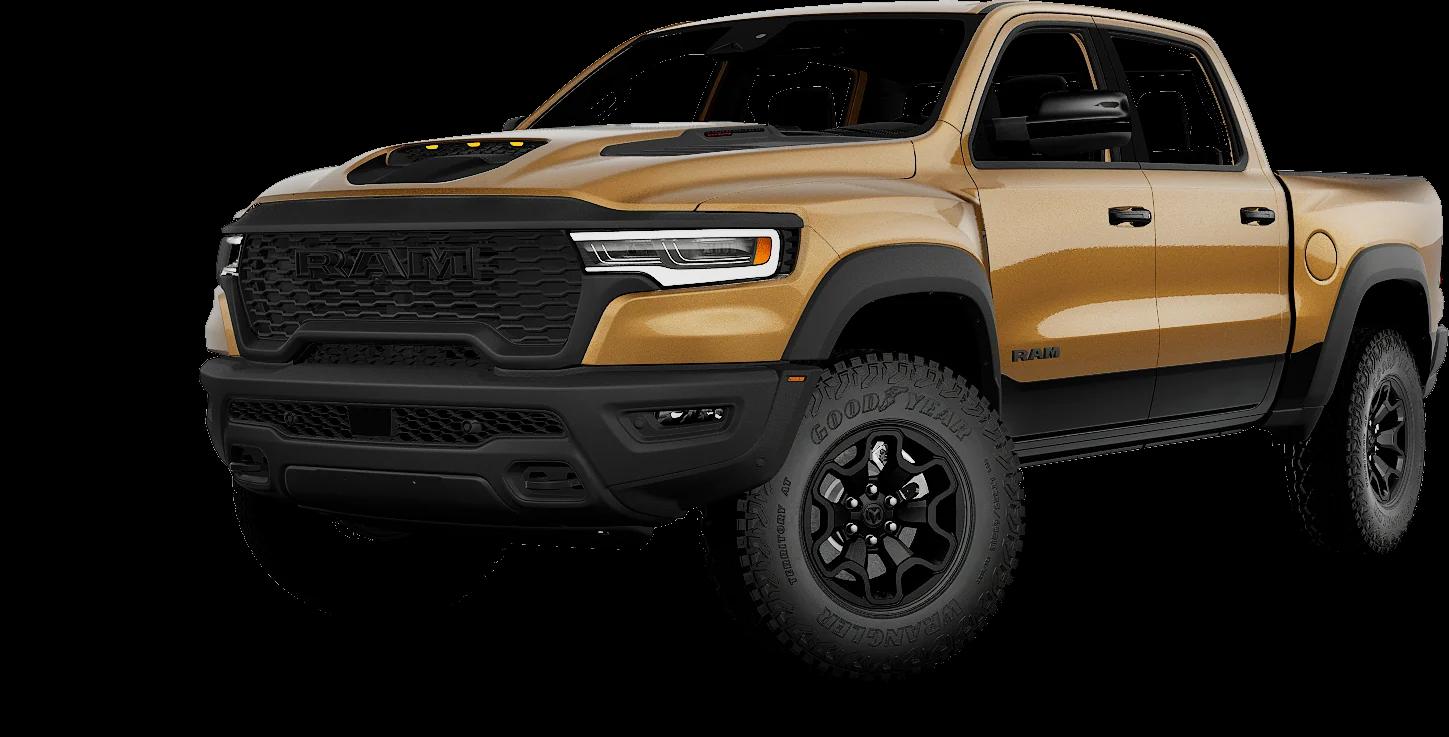
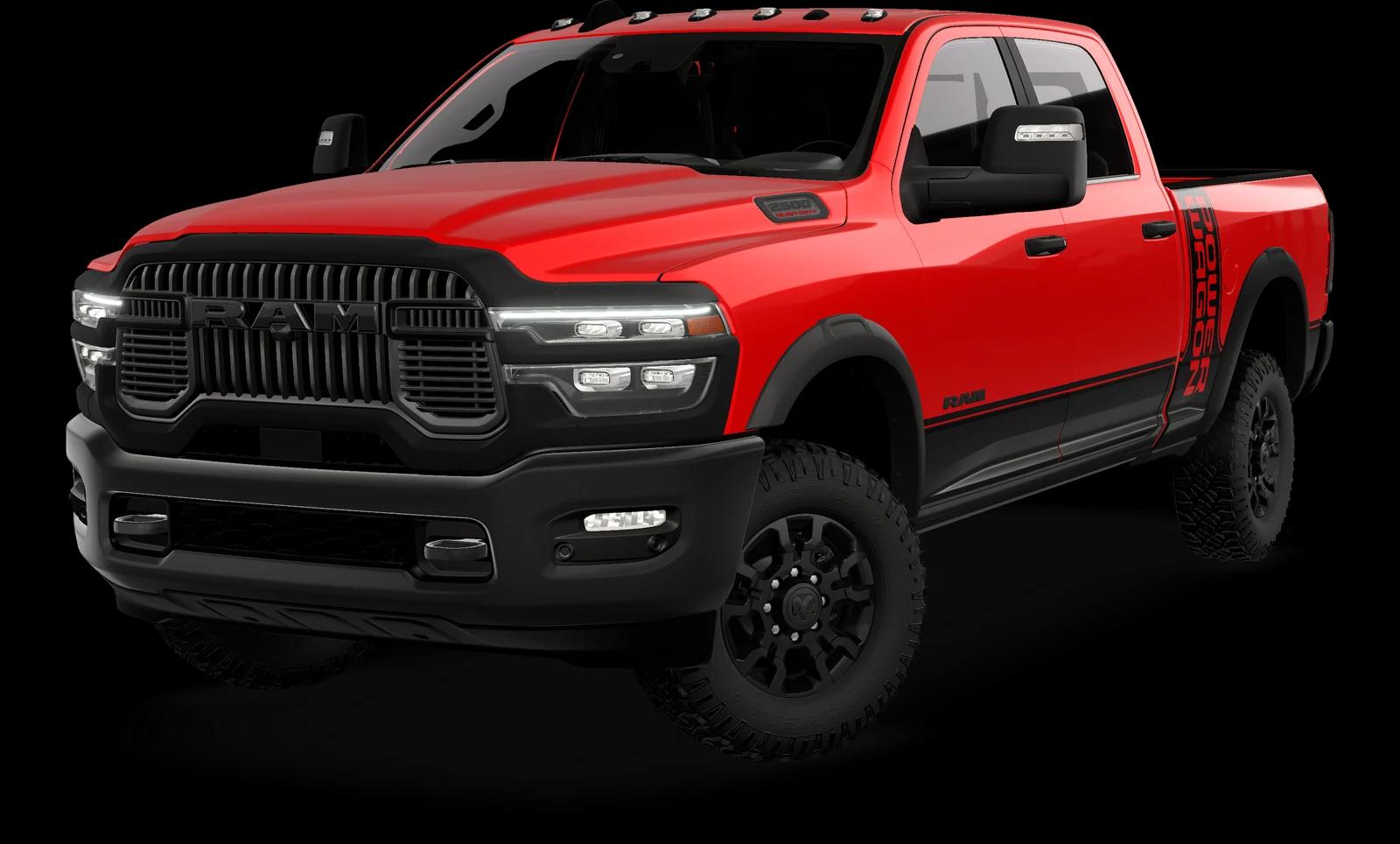
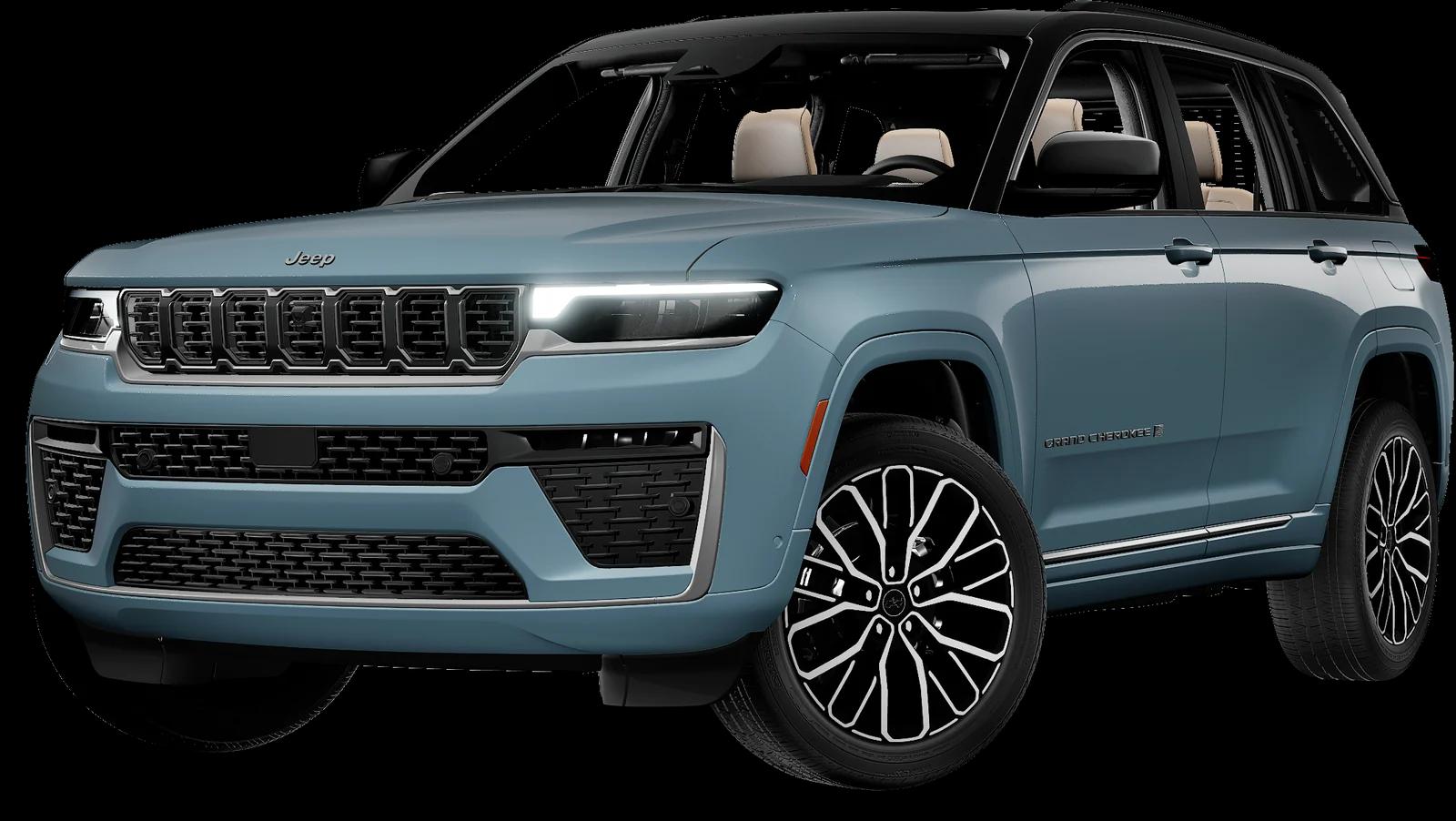
Albuquerque and Santa Fe sit a mile or more above sea level, and that changes how an engine feels more than most shoppers expect. A naturally aspirated engine takes in less air up here, so it makes less power than it does on the Gulf Coast. Turbocharged engines recover much of that loss, which counts in favor of the twin-turbo Hurricane six in the Ram 1500, the turbo four in the Grand Cherokee and the Cummins diesel in the Ram 2500 and 3500.
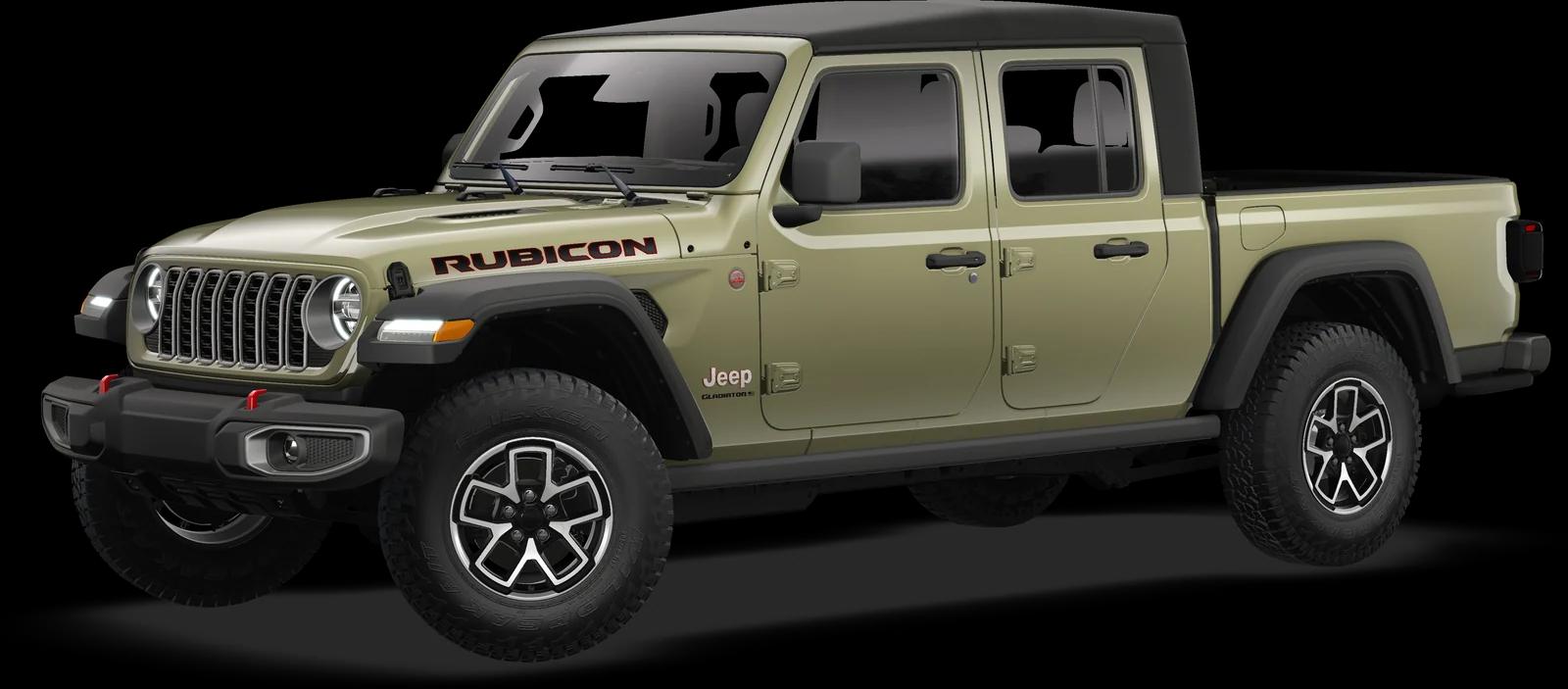
Published horsepower and tow ratings are the manufacturers' figures, and we found no separate high-altitude ratings for any model. Treat a tow rating as a ceiling you will reach with less margin here, and leave room on every grade. Cooling equipment is worth ordering if you tow: the Grand Cherokee's Trailer-Tow Package ($995) adds heavy-duty engine cooling and a Class IV hitch, and the Gladiator's Trailer Tow and Auxiliary Switch Group ($995 on Sport S and Sahara) adds heavy-duty cooling as well.
The best test is your own route. Drive the vehicle you are considering up the long climb on I-25 toward Santa Fe with the air conditioning on, and judge how hard the engine works before you sign anything.
Long empty miles on I-25 and I-40
New Mexico is a large state with few people, and two interstates do most of the work. I-25 runs north and south through Las Cruces, Albuquerque and Santa Fe, and I-40 crosses the middle of the state east and west. Off those corridors, on the roads toward Farmington, Roswell or Carlsbad, the next fuel stop can be a long way off, so tank size and range become buying factors.
The Ram 1500 comes with a 26-gallon tank, and a 33-gallon tank is optional, which is a sensible box to tick here. Ram lists the Power Wagon at about 600 miles of range on its 31-gallon tank. Among smaller SUVs, Jeep estimates the Cherokee hybrid at more than 500 miles per tank, while the Compass has a 13.5-gallon tank and will want more frequent stops.
Electric models need the most planning. The Wagoneer S is rated at up to 294 miles and the Recon at an estimated 222, and rural fast chargers can be far apart. Plan an electric trip around the longest gap between chargers on your route, not the average, and check a charging map before you commit.
Monsoon storms, arroyos and washboard roads
From July into September the summer monsoon sends afternoon thunderstorms across the state, and a dry arroyo can run bank to bank within minutes of rain that fell miles upstream. The rule is the same for every vehicle: if water covers the road, turn around. A few Jeeps publish a fording depth, 30 to 34 inches on the Wrangler, 31.5 on the Gladiator (Jeep's 2026 figure) and 24 on the Cherokee, but treat those as puddle limits, never as permission to enter moving water. Check the National Weather Service and the New Mexico Department of Transportation for current flood and road conditions.
On dry days the problem is the surface. County roads and ranch tracks are often graded dirt or caliche that turns slick when wet and corrugated when dry, so clearance and underbody protection count. The Wrangler offers 9.7 to 12.9 inches of ground clearance and the Gladiator 10 to 12.9. The Gladiator Mojave, from $56,200, adds FOX shocks and 33-inch all-terrain tires, and the Ram 1500 Rebel, from $65,845, has an Off-Road Group with skid plates and a full-size spare. A Wagoneer S, at 6.4 inches of clearance, is a poor match for washboard and ruts.
Oilfield, ranch and utility work around Hobbs, Carlsbad and Farmington
Two energy basins pull New Mexico trucks into hard work. The Permian Basin reaches into the southeast around Hobbs and Carlsbad, and the San Juan Basin lies in the northwest near Farmington. Add the state's ranches and utility crews, and many buyers need a truck that earns its keep.
The Ram 1500 starts at $42,575 for the Tradesman and tows up to 11,530 pounds with the Hurricane Standard Output six, enough for many stock and equipment trailers. When the loads grow, the Ram 2500 begins at $48,040. Its Cummins High-Output diesel is a $12,495 option that adds 1,075 lb-ft of torque and up to 20,000 pounds of towing, while a gas 2500 with the $835 Payload Upgrade Package reaches 4,580 pounds of payload. The Ram 3500 reaches up to 37,020 pounds with the Cummins. All 2027 heavy-duty ratings are preliminary.
Crews that run flatbeds, service bodies or water tanks should look at the Ram Chassis Cab. The gas Tradesman starts at $49,170 and lists up to 7,710 pounds of payload with 18,800 pounds of towing, and an upfitter supplies the body, so price and delivery depend on the build. Heavy-duty trucks carry no EPA fuel economy label, so budget generously for fuel between sites.
Snow in the north, heat in the south
New Mexico runs from ski country to desert. Santa Fe, Taos and the northern mountain passes see real snow and ice, while Las Cruces and the Rio Grande valley bake in summer, and some buyers will face both in one year.
For winter, all-wheel or four-wheel drive is worth having, and tires matter as much as the drivetrain. Every Durango has all-wheel drive, starting at $43,875, and the GT AWD HEMI V8 trims offer a Snow drive mode. Every Cherokee is 4x4 from $35,130, and the Compass is 4x4 from $29,990. On the Grand Cherokee, rear-wheel drive is offered on Laredo, Laredo X, Laredo Altitude and Limited, with 4x4 optional, and 4x4 is standard on Limited Reserve, Summit and Trailhawk. On the Ram 1500, the Big Horn Level 1 group ($1,695) adds seat and steering-wheel heat.
For summer, the Ram 1500 Laramie, at $61,880, includes heated and ventilated front seats, and remote start is standard on the Compass, the Grand Cherokee Laredo X, and the Wrangler and Gladiator Sahara. A parked vehicle in the southern desert gets hot fast, so check which of these items a trim includes before you chase a lower sticker price.
New Mexico buyer FAQ
Does altitude reduce a truck's power in Albuquerque or Santa Fe?
Yes. An engine makes less power in thin air, and the loss is larger for naturally aspirated engines than for turbocharged ones. We found no published high-altitude ratings, so horsepower and tow figures describe the best case. Leave extra margin when towing uphill, consider a turbocharged engine such as the Hurricane six or a Cummins diesel, and test drive on a real grade before you decide.
Do I need four-wheel drive in New Mexico?
In Albuquerque, Las Cruces and most of the south, usually not. In Santa Fe, Taos and the northern mountains, winter snow and ice make all-wheel or four-wheel drive worthwhile, and so do wet dirt roads on a ranch or lease. The Durango and Cherokee send power to all four wheels on every trim, while the Grand Cherokee Laredo is rear-drive with 4x4 optional. Good tires matter as much as the drivetrain.
Which Ram suits oilfield work around Hobbs or Farmington?
It depends on the load. The Ram 1500 Tradesman, from $42,575, handles lighter trailers and daily crew use. For heavier equipment, the Ram 2500 starts at $48,040 and tows up to 20,000 pounds with the Cummins diesel, a preliminary 2027 rating. Crews that need a flatbed, service body or water tank should look at the Ram Chassis Cab, which an upfitter completes.
Can a Jeep cross a flooded arroyo during monsoon season?
It should not try. Jeep lists 30 to 34 inches of fording on the Wrangler, 31.5 on the Gladiator and 24 on the Cherokee, but those are puddle limits, not a guide to moving water. A flash flood carries debris and can wash out the road surface beneath it. If an arroyo is running or water covers the road, wait or turn around.
More South guides